1974 Men / Race of Attrition
Only 18 made it.
Of 70 starters in the Men Elite road race, only 18 reached the finish on Mount Royal.
MTL / 2026
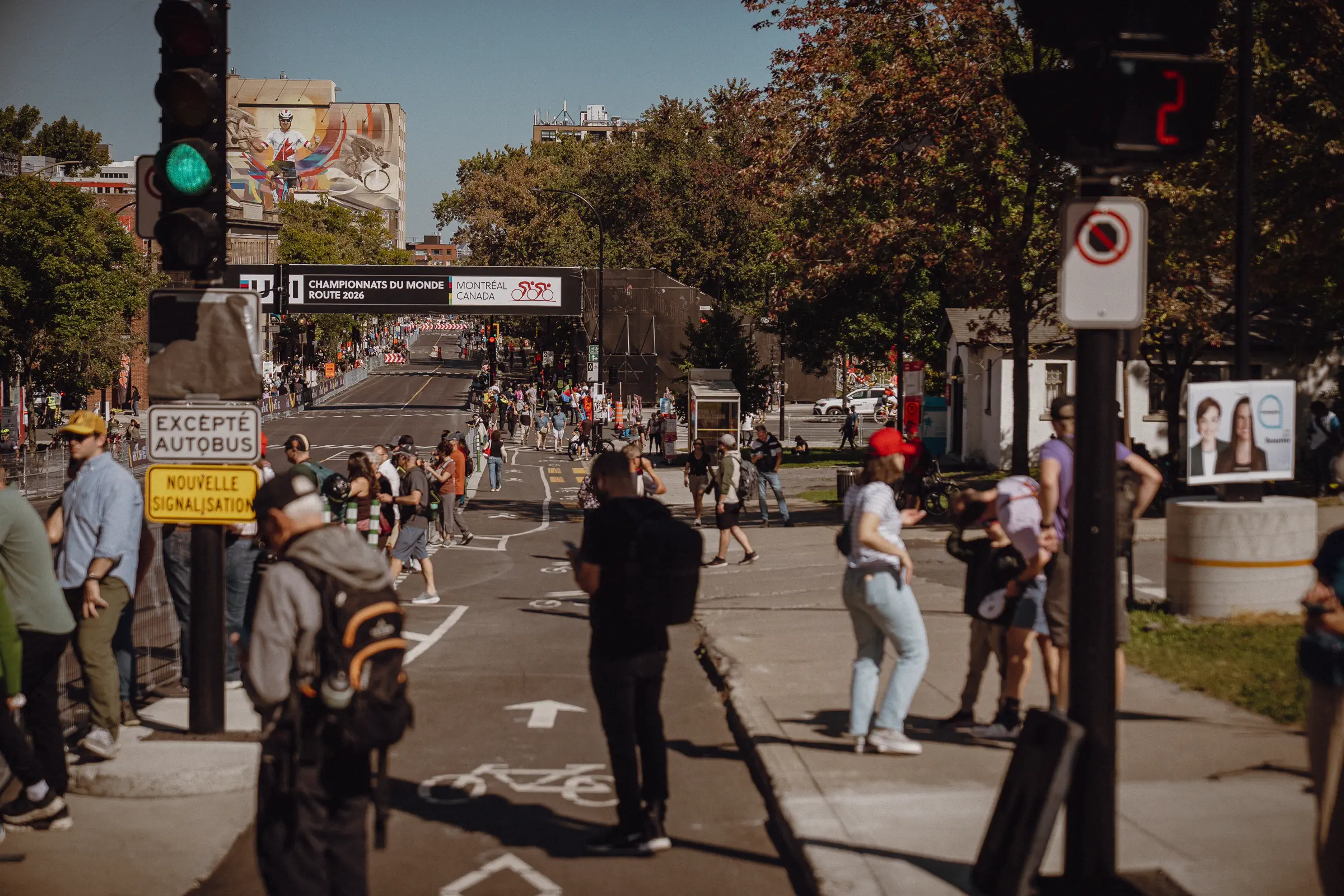
Fifty-two years after Montréal first took cycling’s Road Worlds beyond Europe, the rainbow returned to Mount Royal. Eight days. Thirteen titles. One city at full volume.
Scroll
The Return
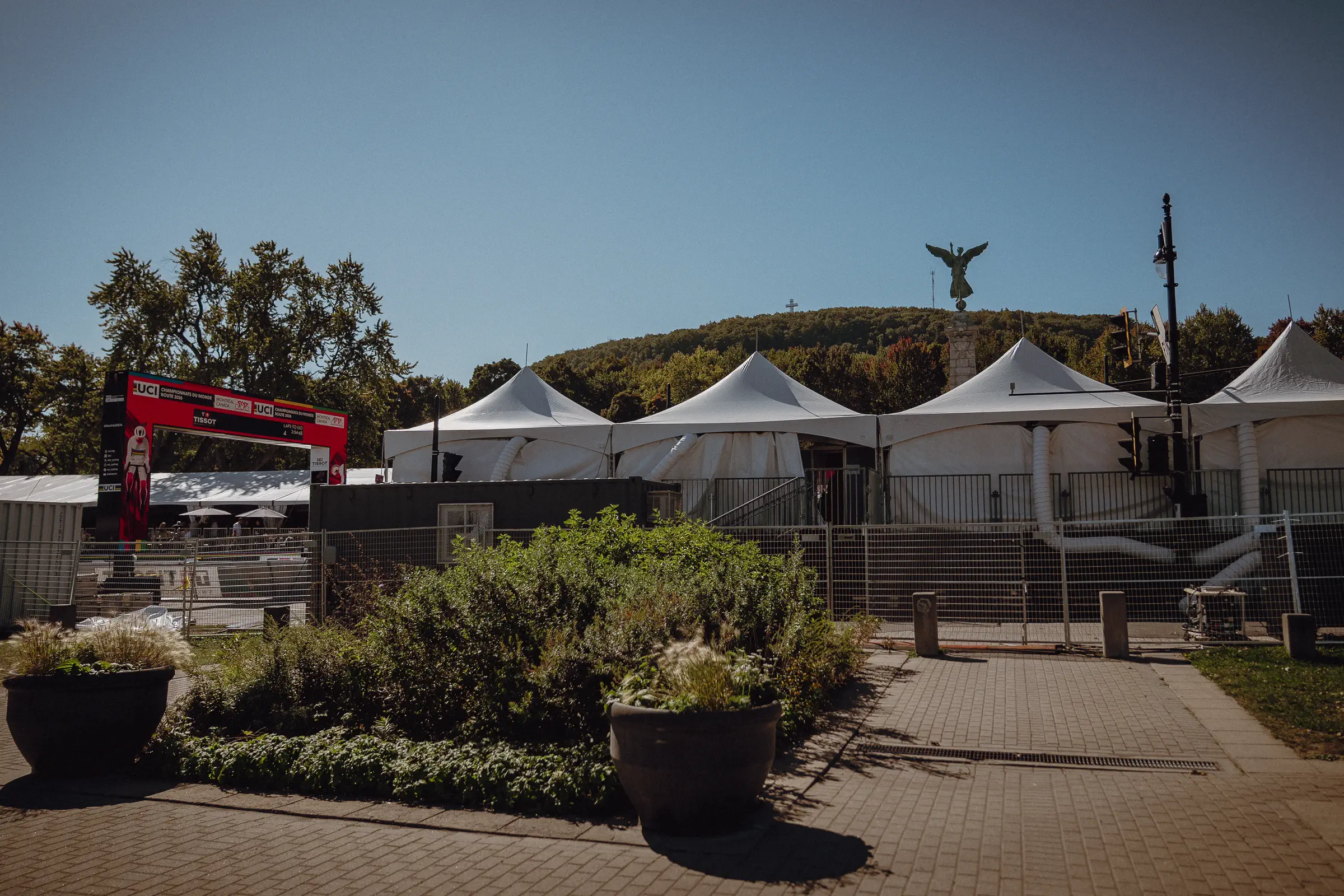
Montréal has seen the rainbow before. In 1974, the complete UCI Road World Championships crossed the Atlantic for the first time and landed on the roads around Mount Royal. Fifty-two years later, the world came back.
Different bikes. Different speeds. Different generations. The mountain still asks the same question: how much is left when the road turns up?
History doesn’t repeat. It rides another lap.
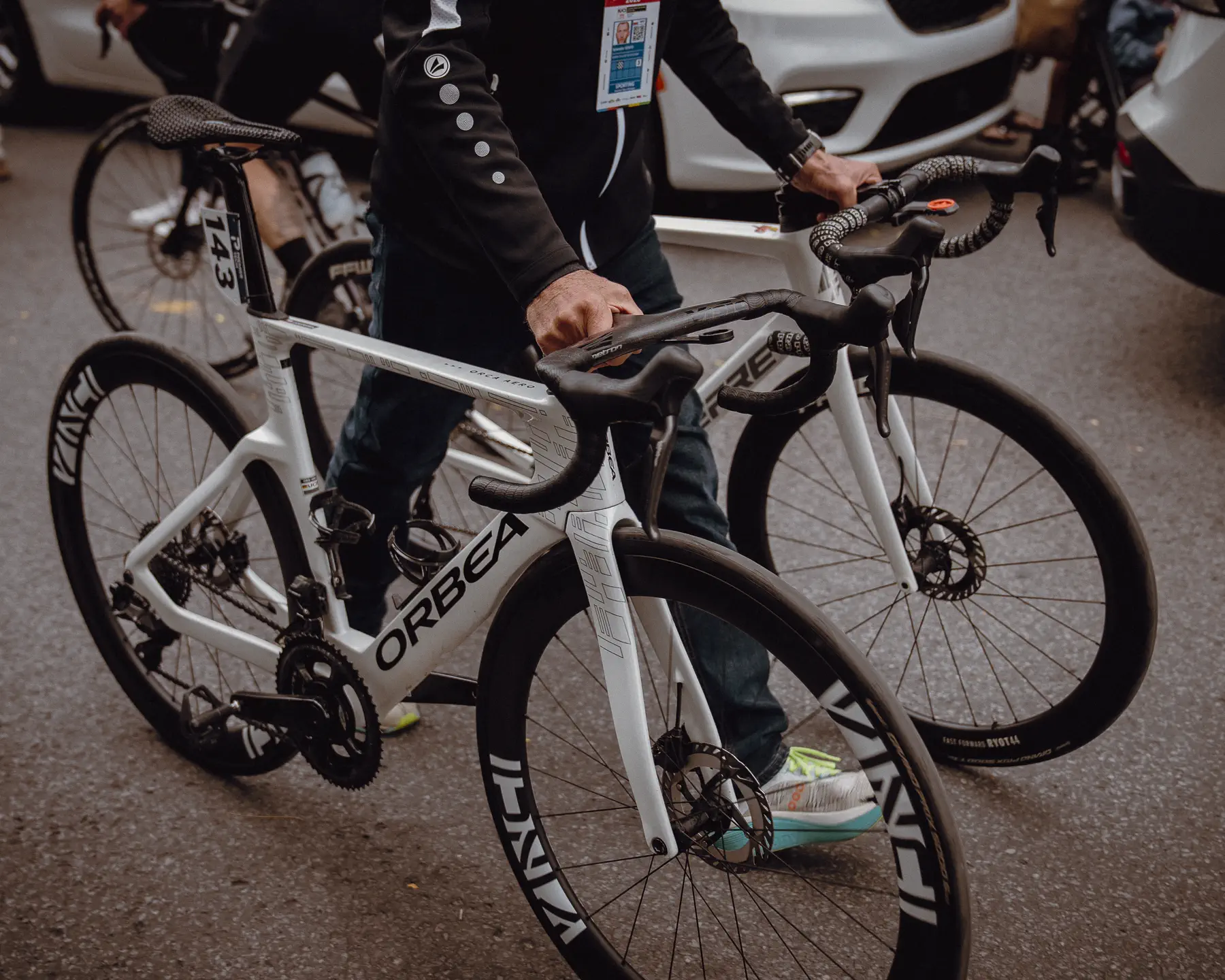
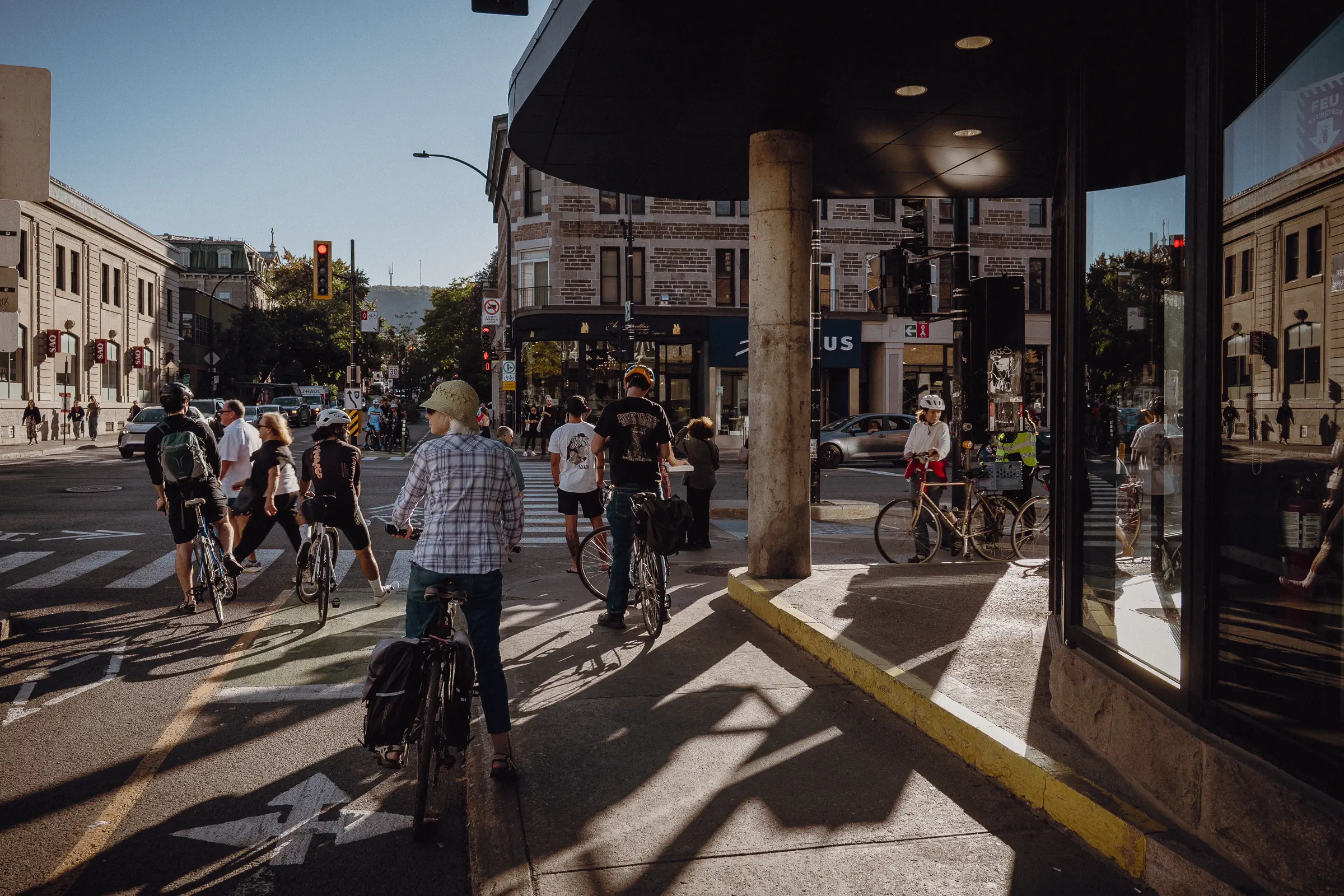
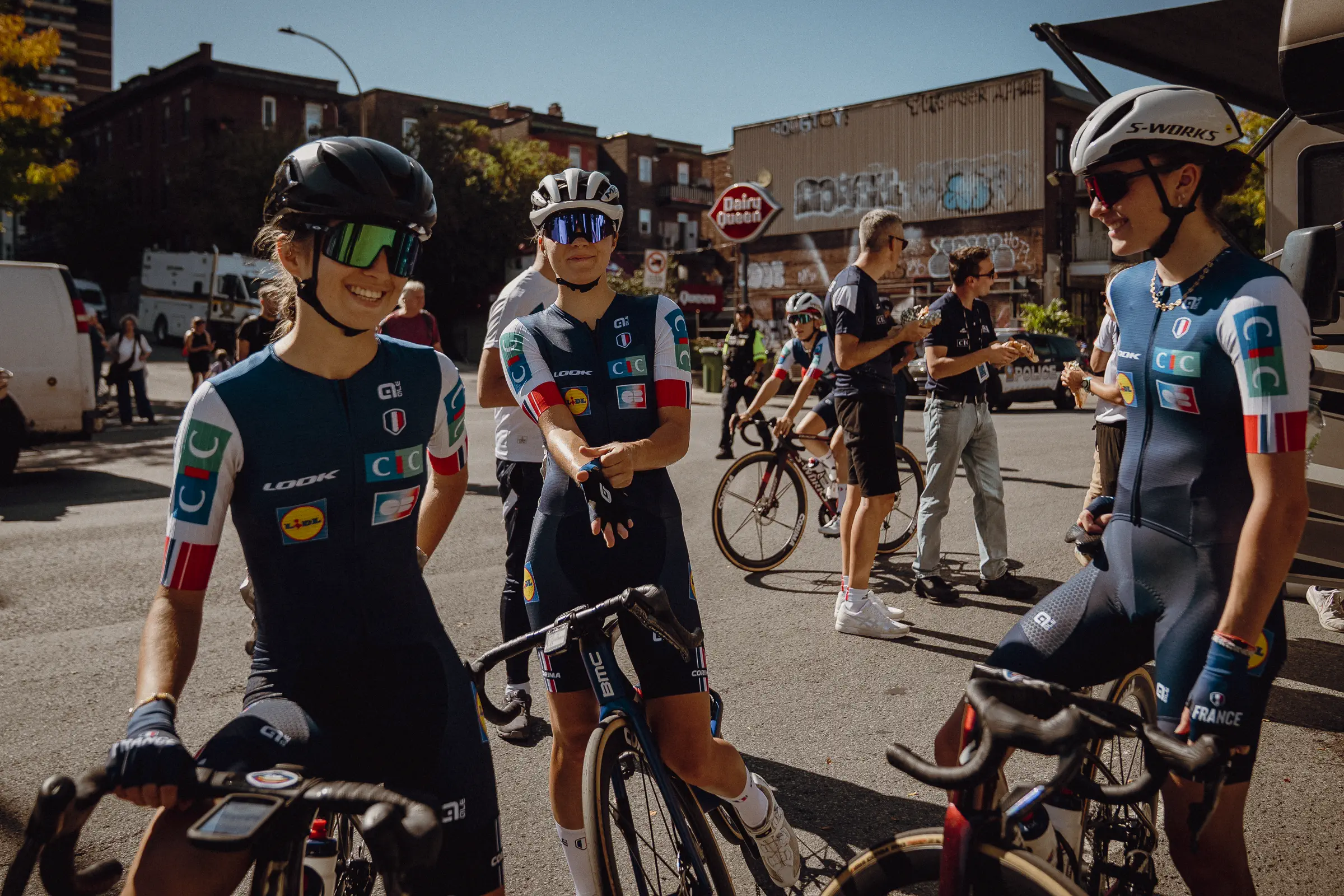
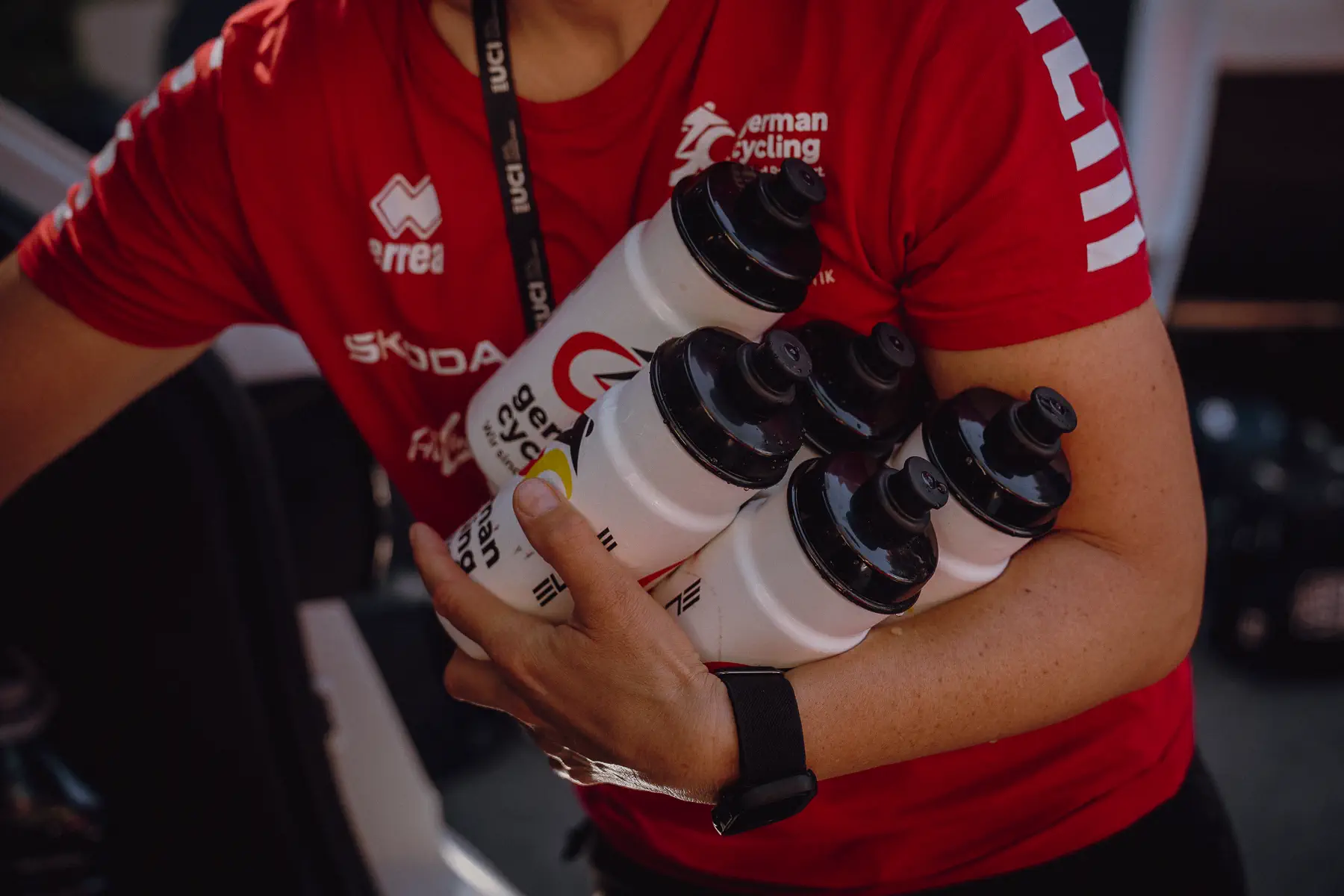
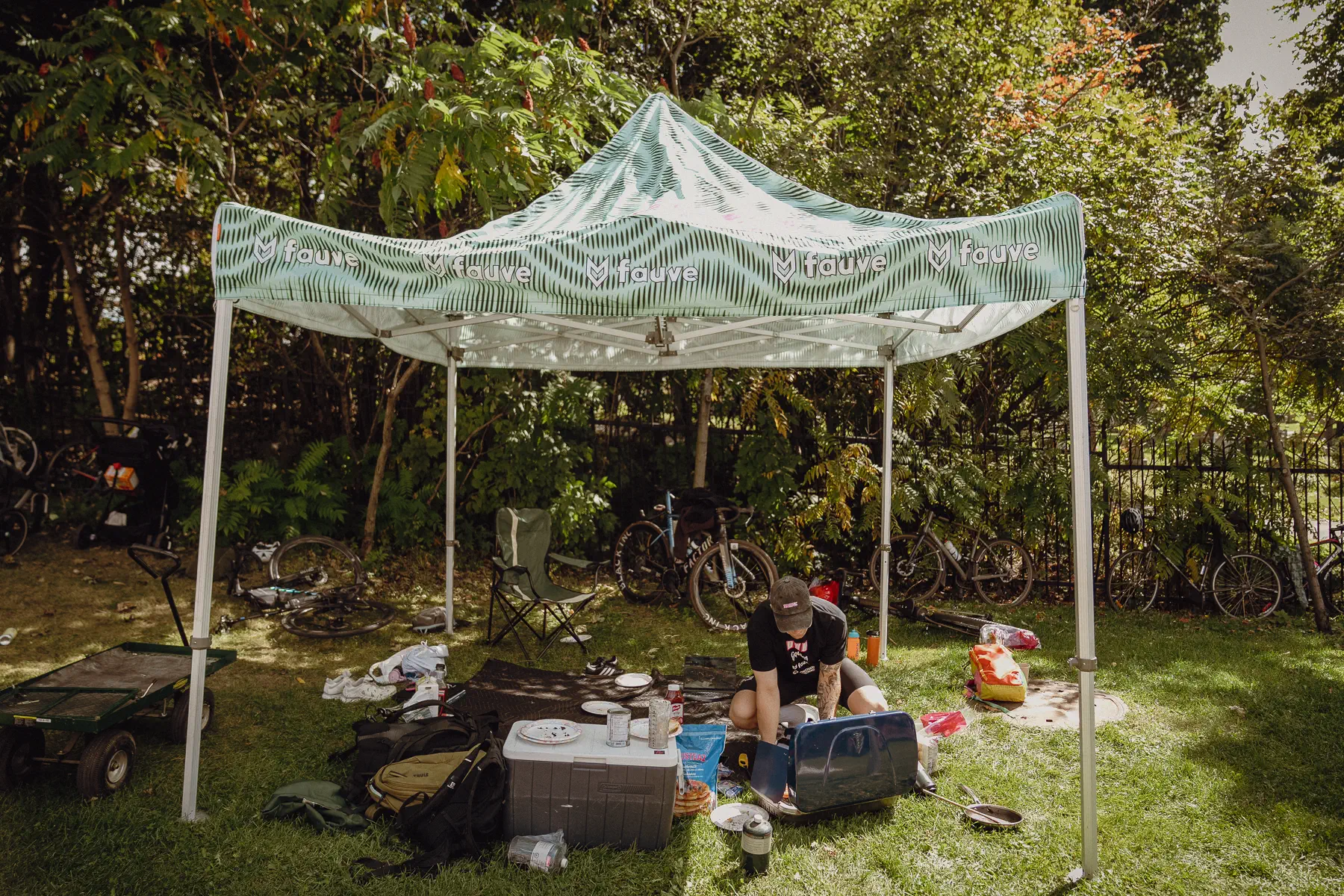
Before a World Championship becomes a broadcast, it is a week of small jobs.
Bikes checked. Bottles stacked. Courses ridden again.
Mechanics. Riders. Families. Soigneurs. Photographers. Fans.
The race lasts a day. The work starts much earlier.
The men’s championship is almost the same length it was in 1974. The women’s race is not. Put side by side, the distances tell two very different stories of change.
1974 women elevation ≈948 m: estimated from four laps using the 1974 men’s 4,976 m across 21 laps as the per-lap reference. 2026 raced distances follow the final Tissot classifications.
1974 Men / Race of Attrition
Of 70 starters in the Men Elite road race, only 18 reached the finish on Mount Royal.
2026 / The Mountain Decides
Across both Elite road races, the final Mount Royal circuit accounts for roughly 59% of the total distance, but about 85% of the total elevation gain.
1974 → 2026 / The Women’s Race
Race distance roughly tripled and total elevation gain more than doubled. Over the same 52 years, the men’s distance changed only slightly and total climbing fell.
Bar direction = change. Length = relative magnitude.


The Race in Numbers
The results are in. Side by side, the 1974 and 2026 numbers show how the Road World Championships changed over 52 years.
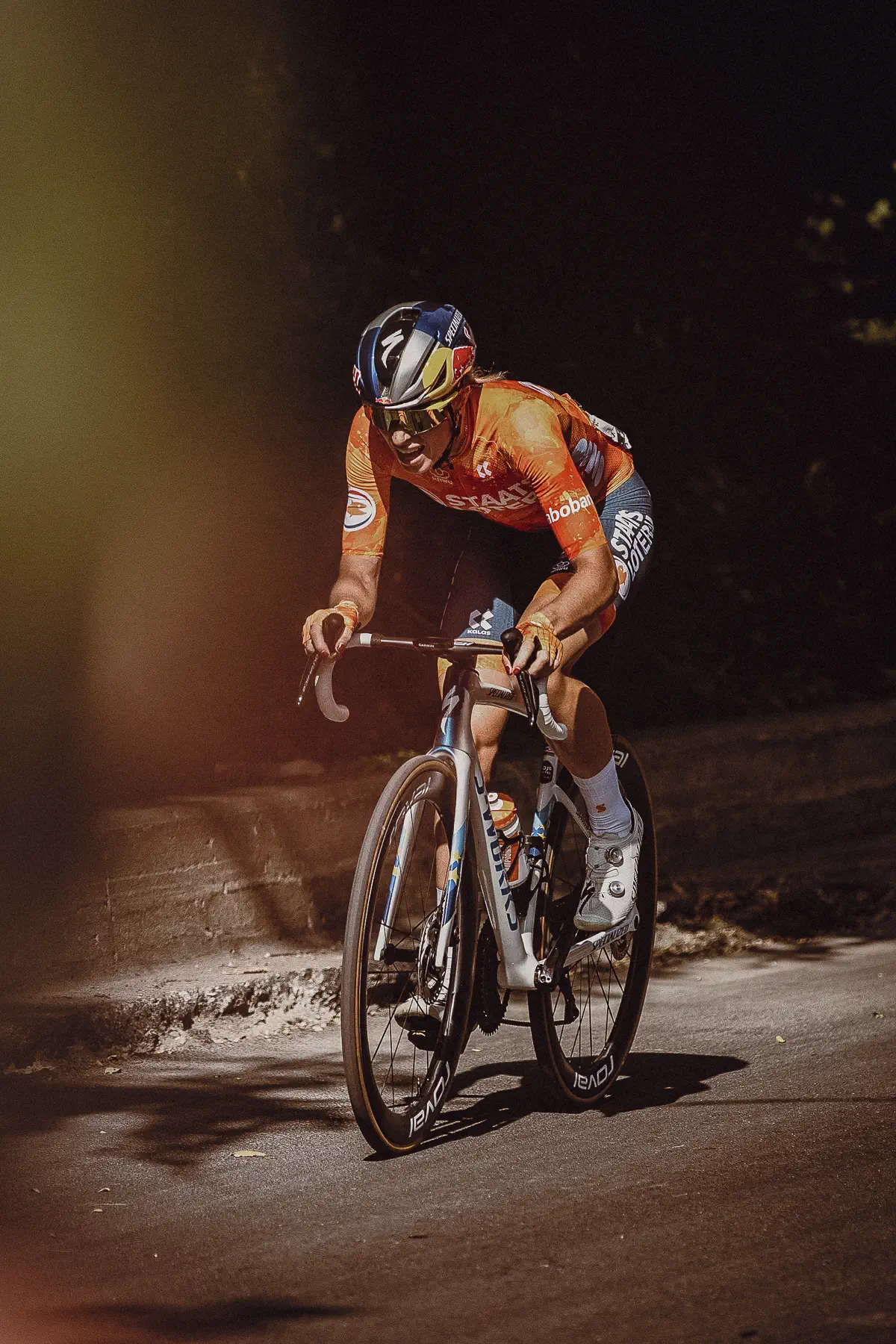
Fifty-two years after Geneviève Gambillon sprinted to the rainbow in Montréal, the women’s title again came down to the line. Demi Vollering attacked with 38.5 kilometers to go, was reeled in by Kasia Niewiadoma and Elisa Longo Borghini, then beat Niewiadoma in the final sprint. Longo Borghini crossed four seconds later.
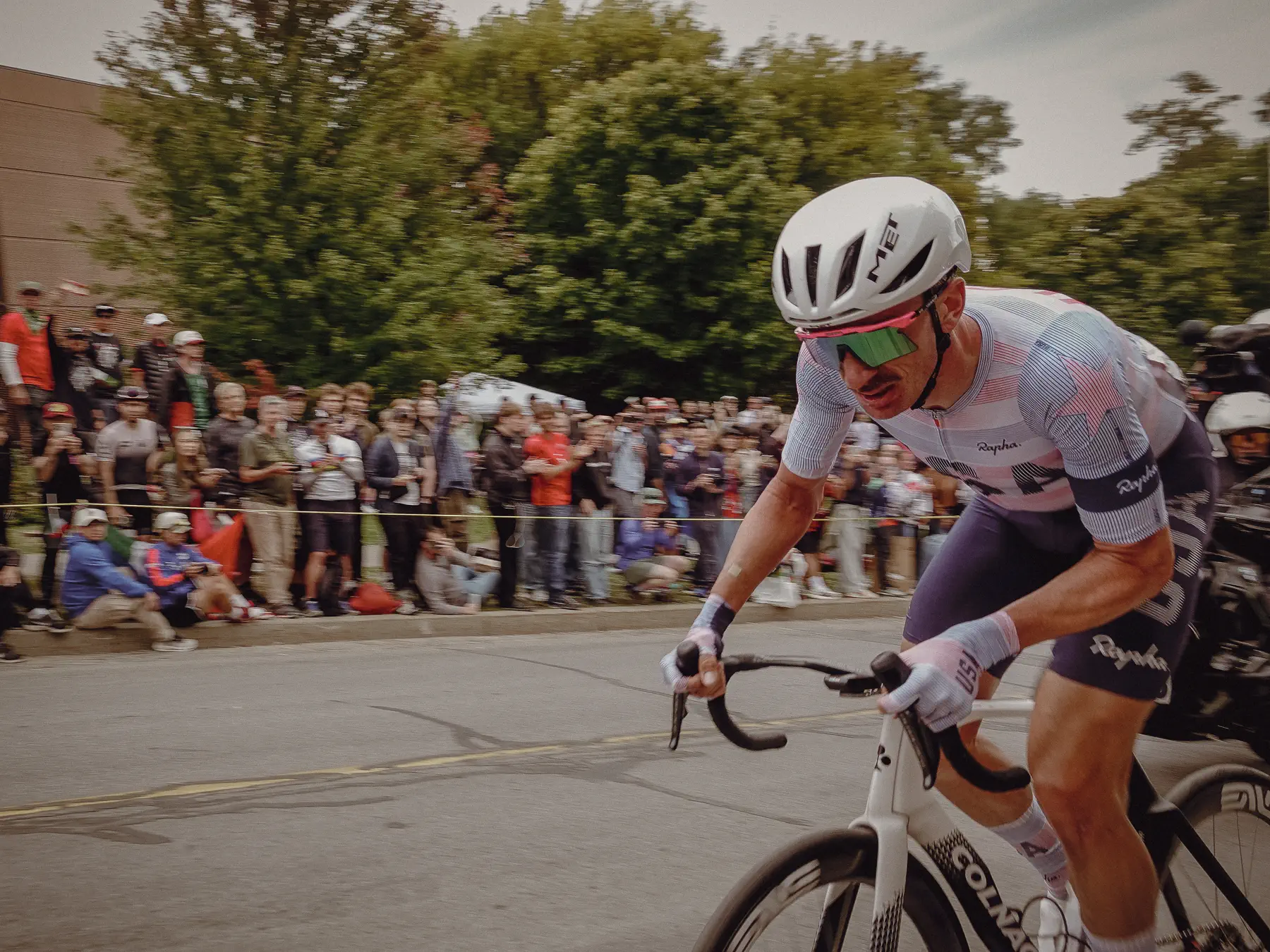
Fifty-two years after Eddy Merckx won in Montréal by two seconds, the men’s rainbow again came down to seconds. Brandon McNulty attacked with 33 kilometers to go, built more than a minute, then saw the chase close to ten seconds on the final Camillien-Houde. He held it to Avenue du Parc and won by 13 seconds, giving the USA its first Elite Men road title since 1993.
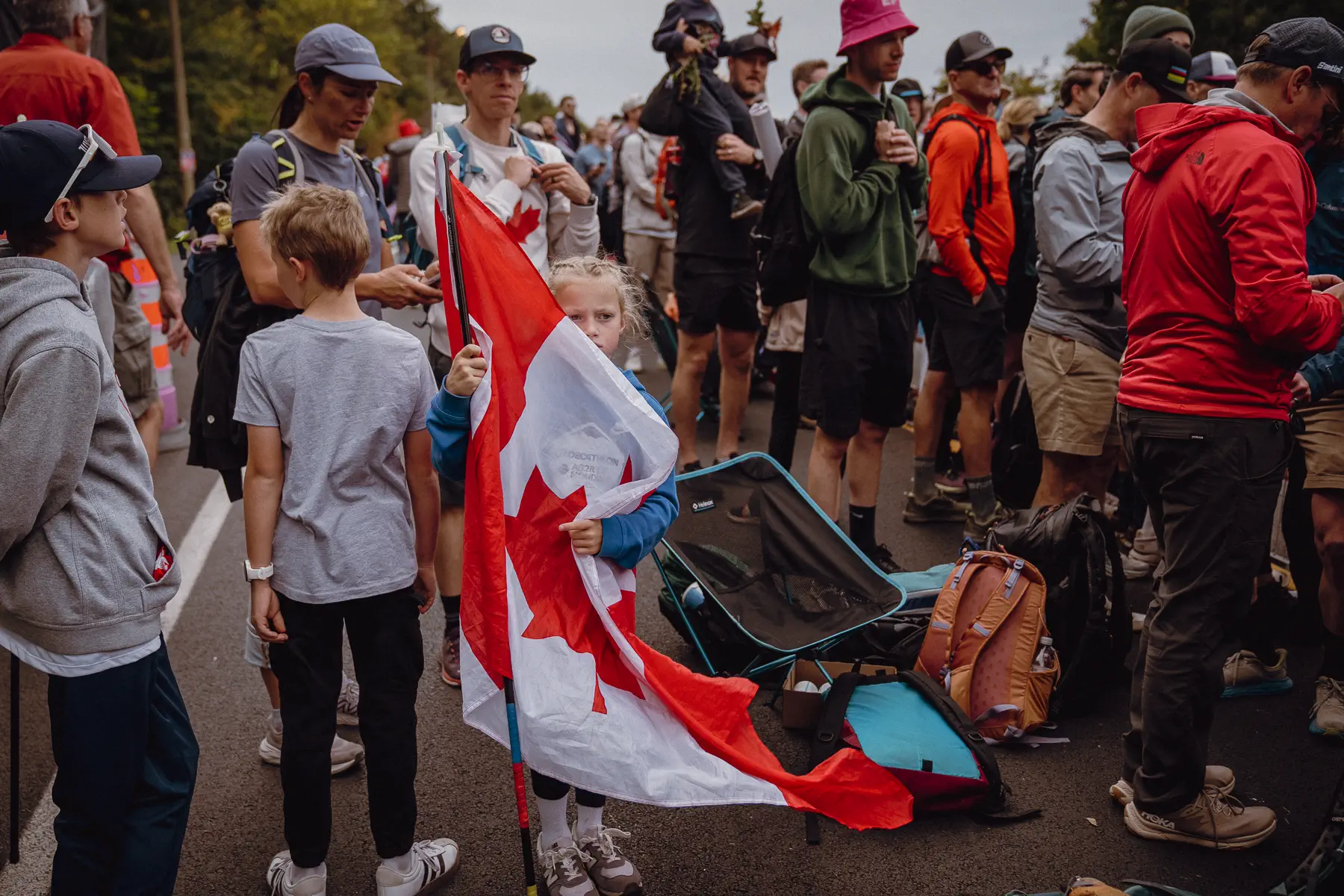
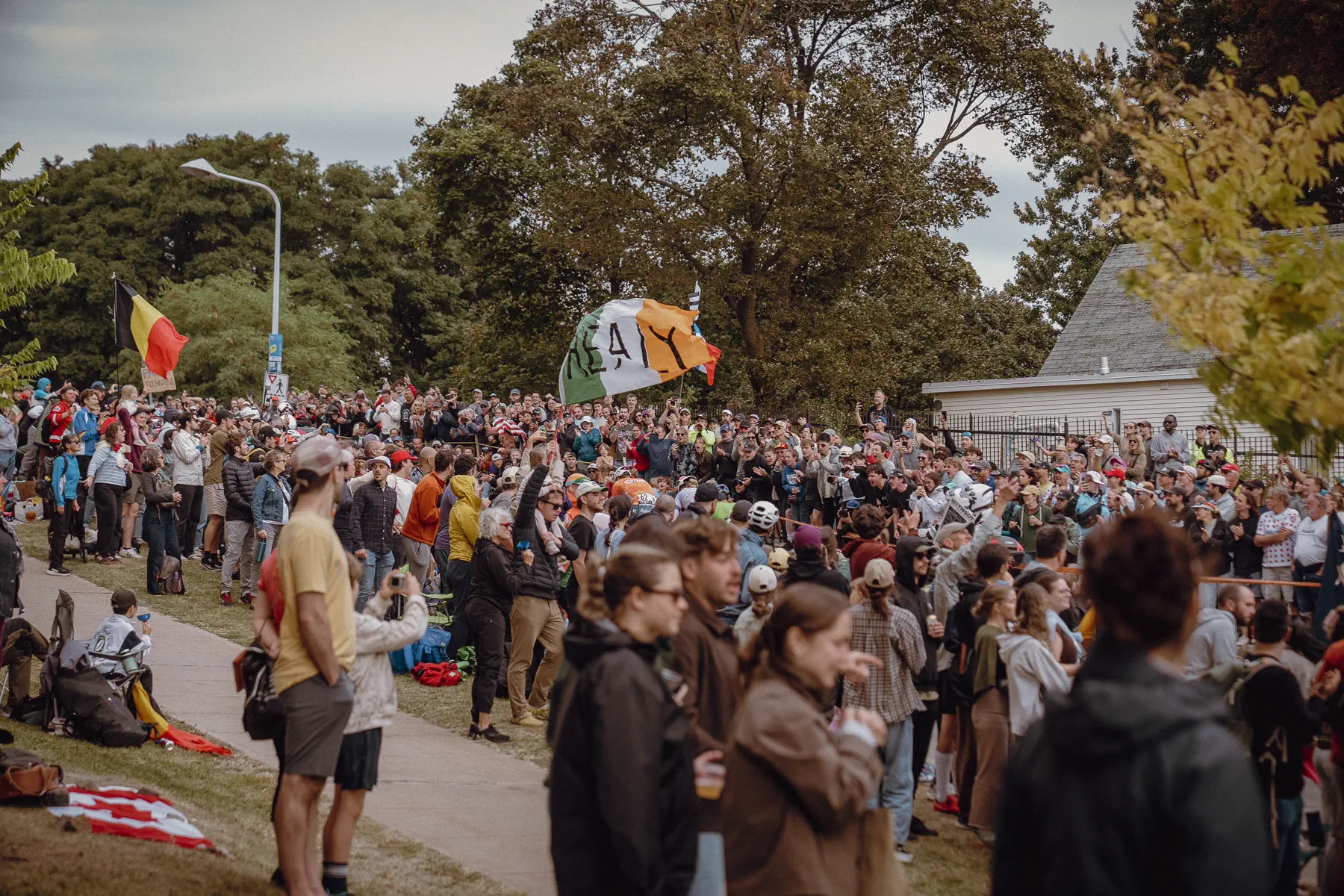
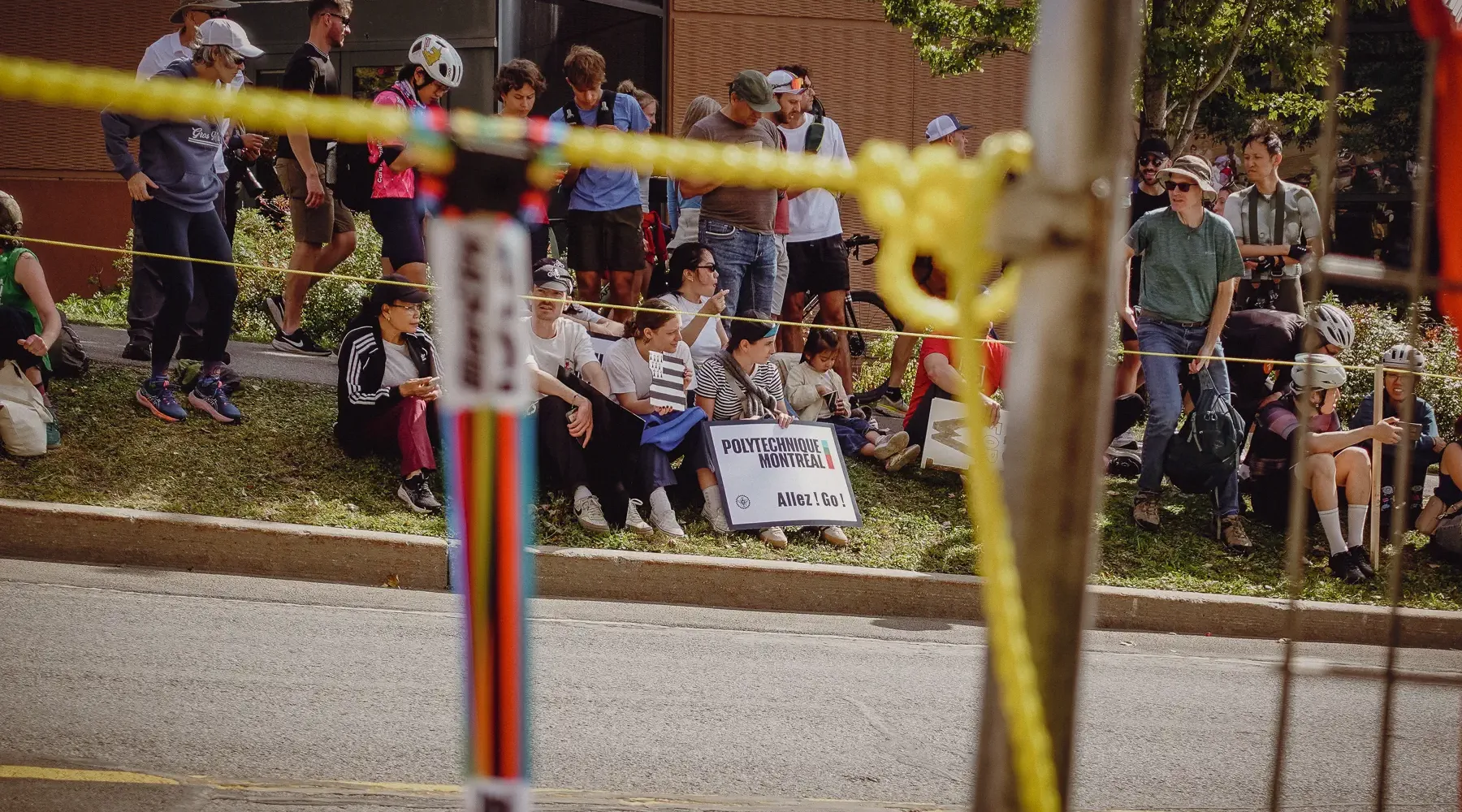
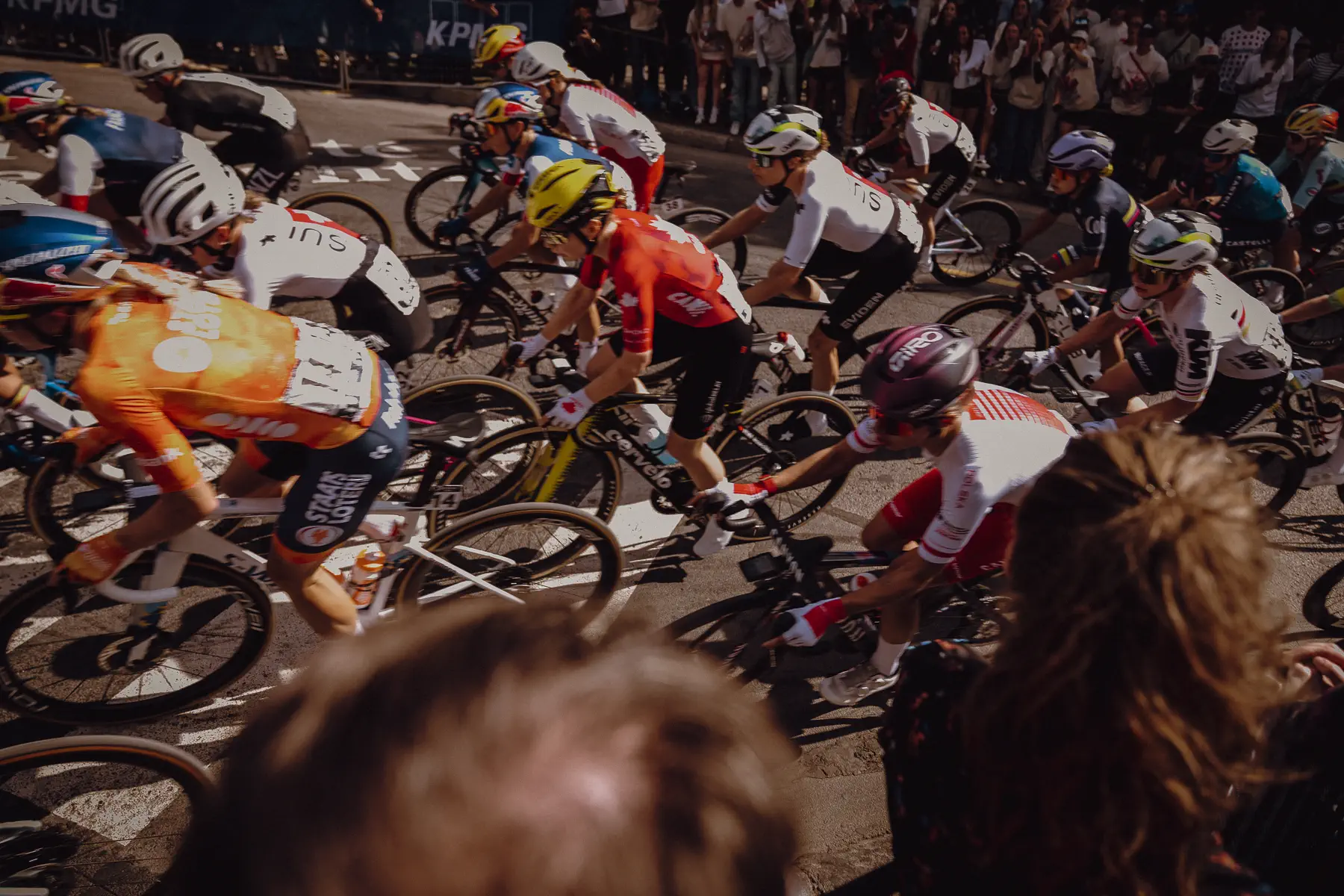
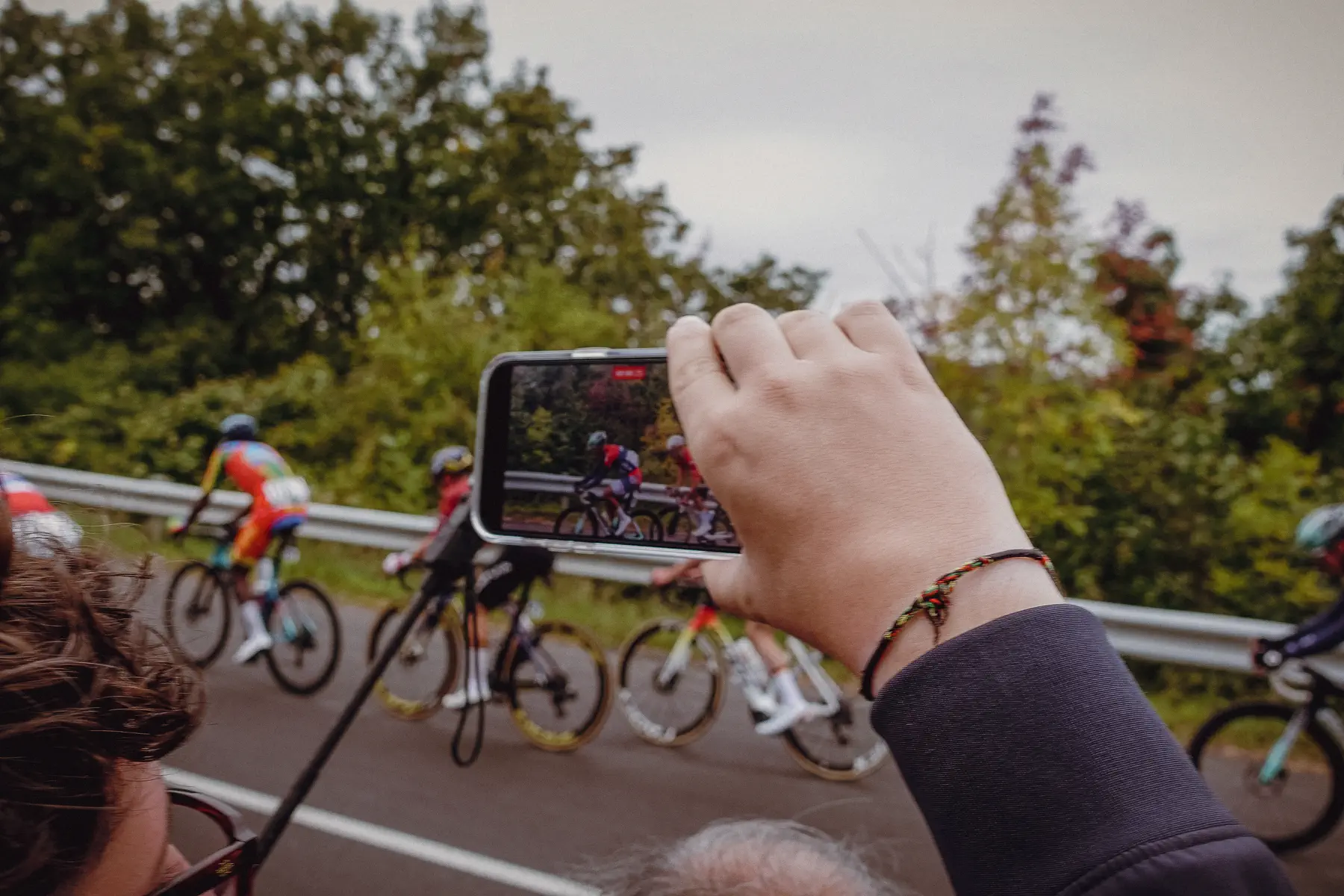
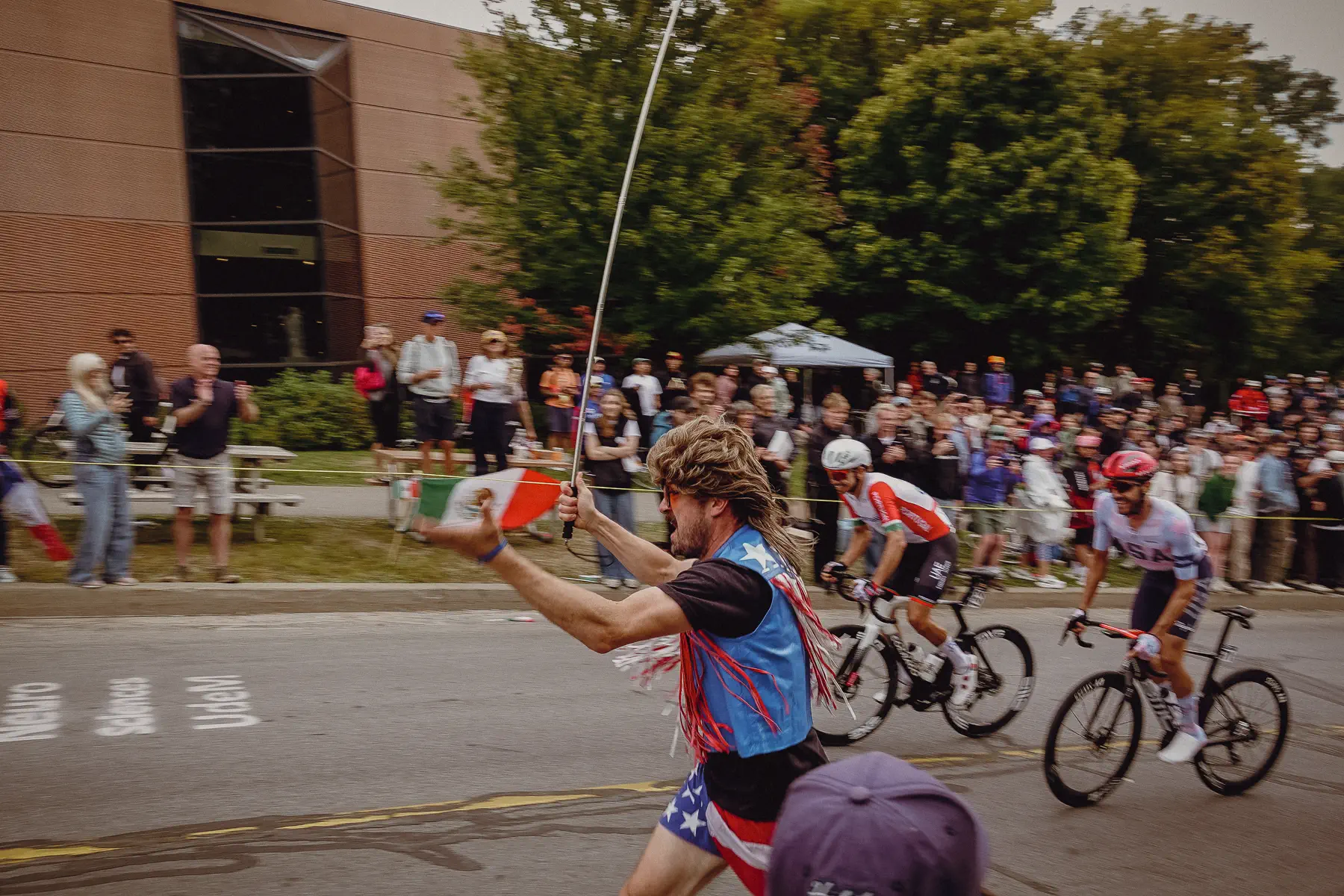
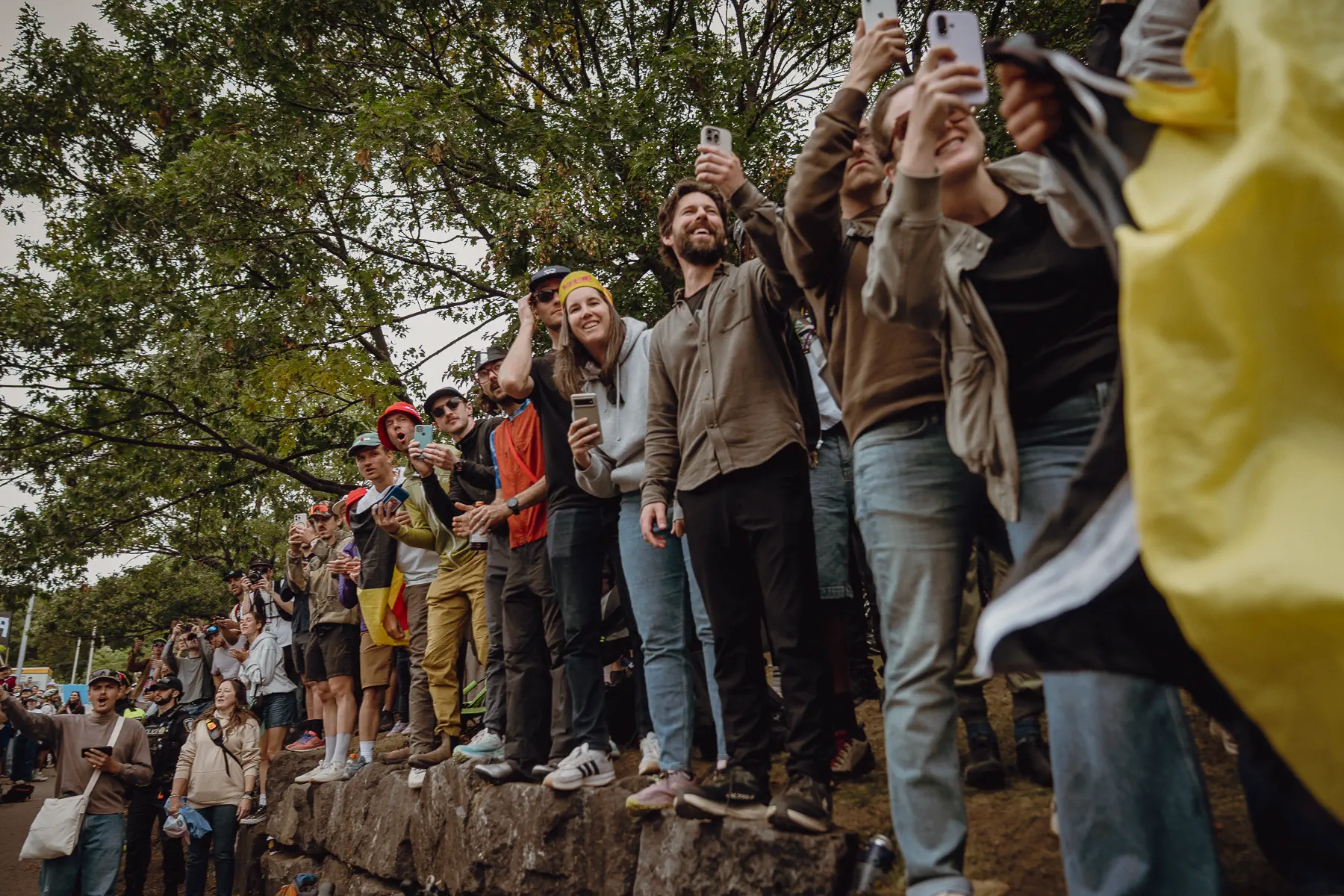
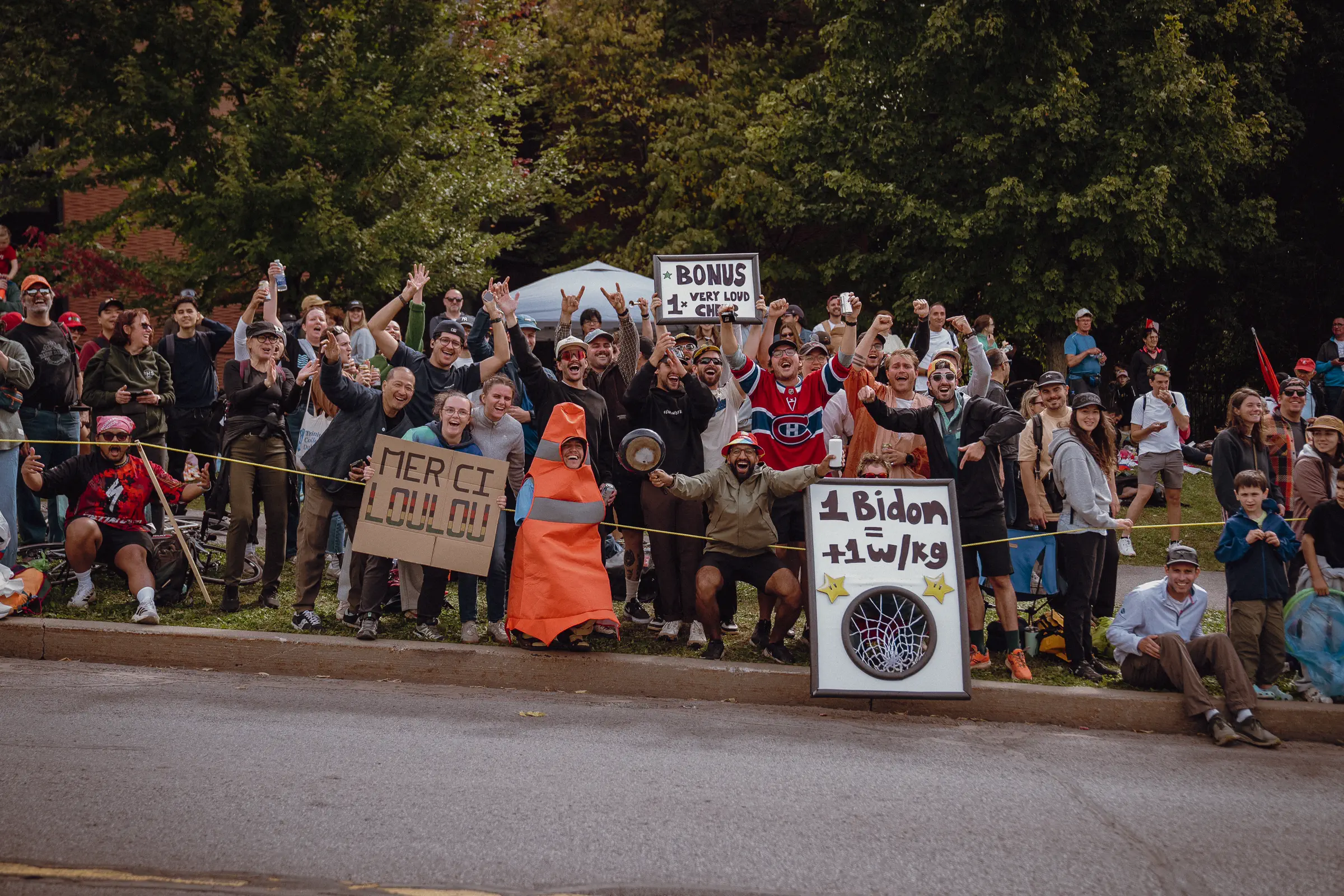
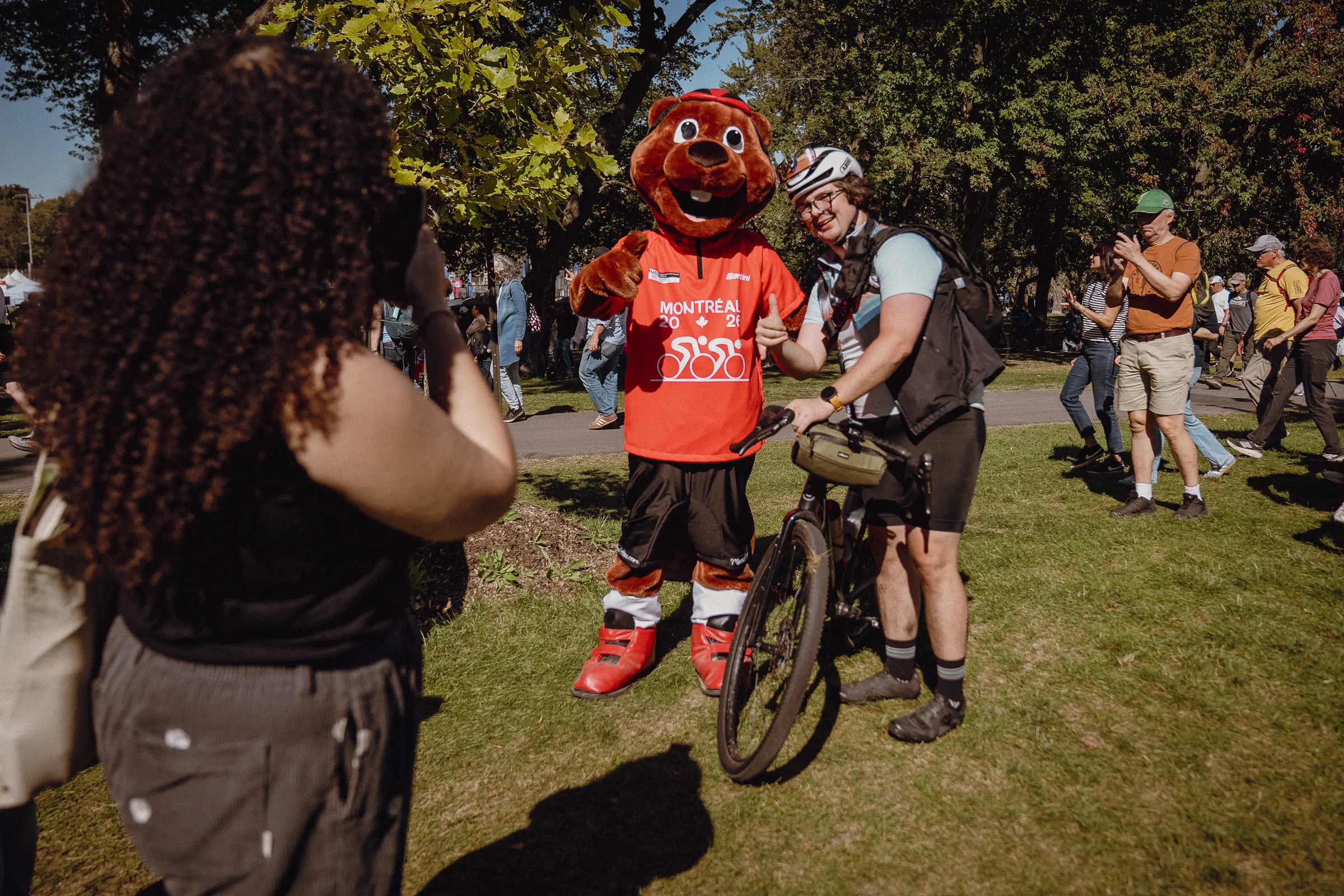
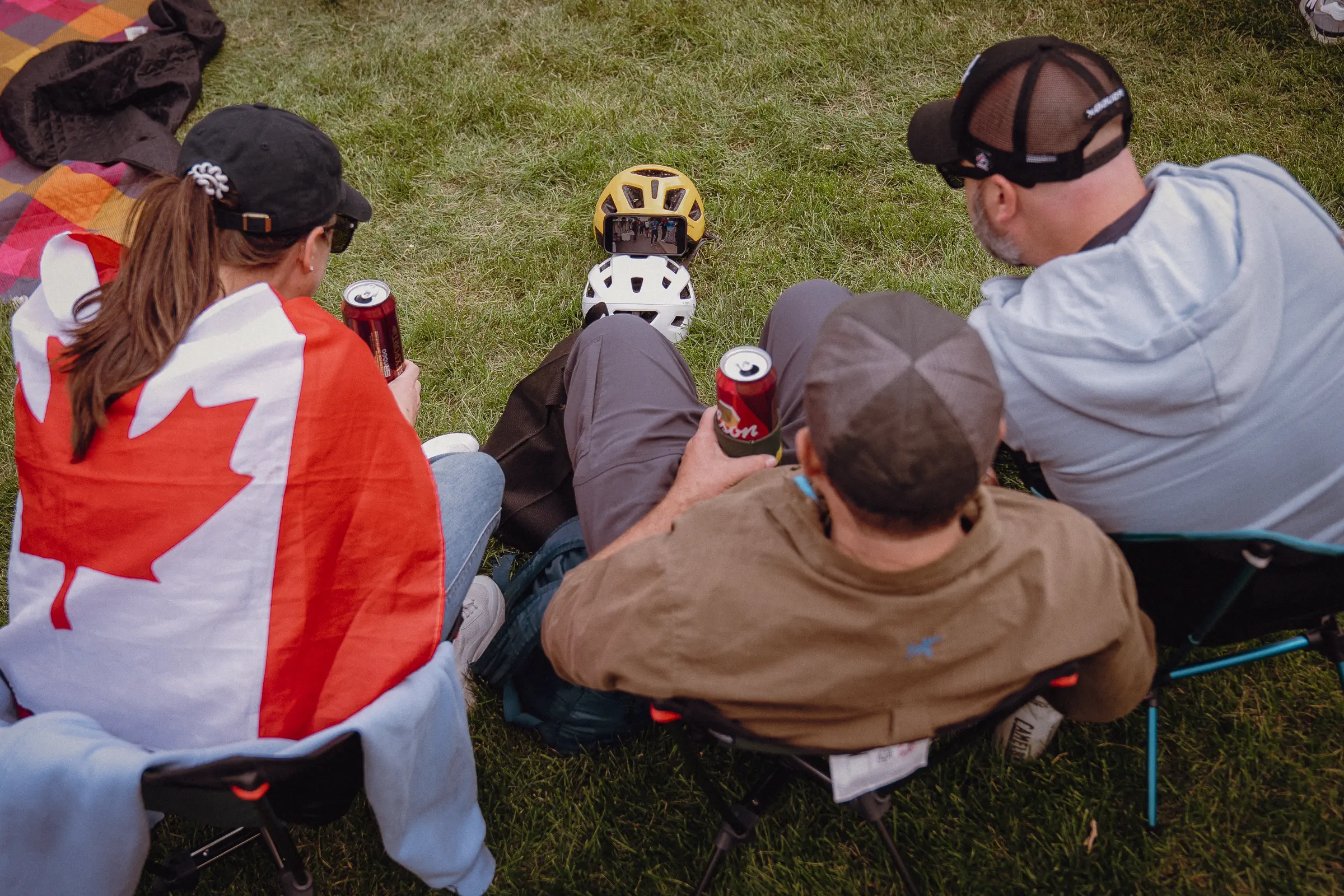
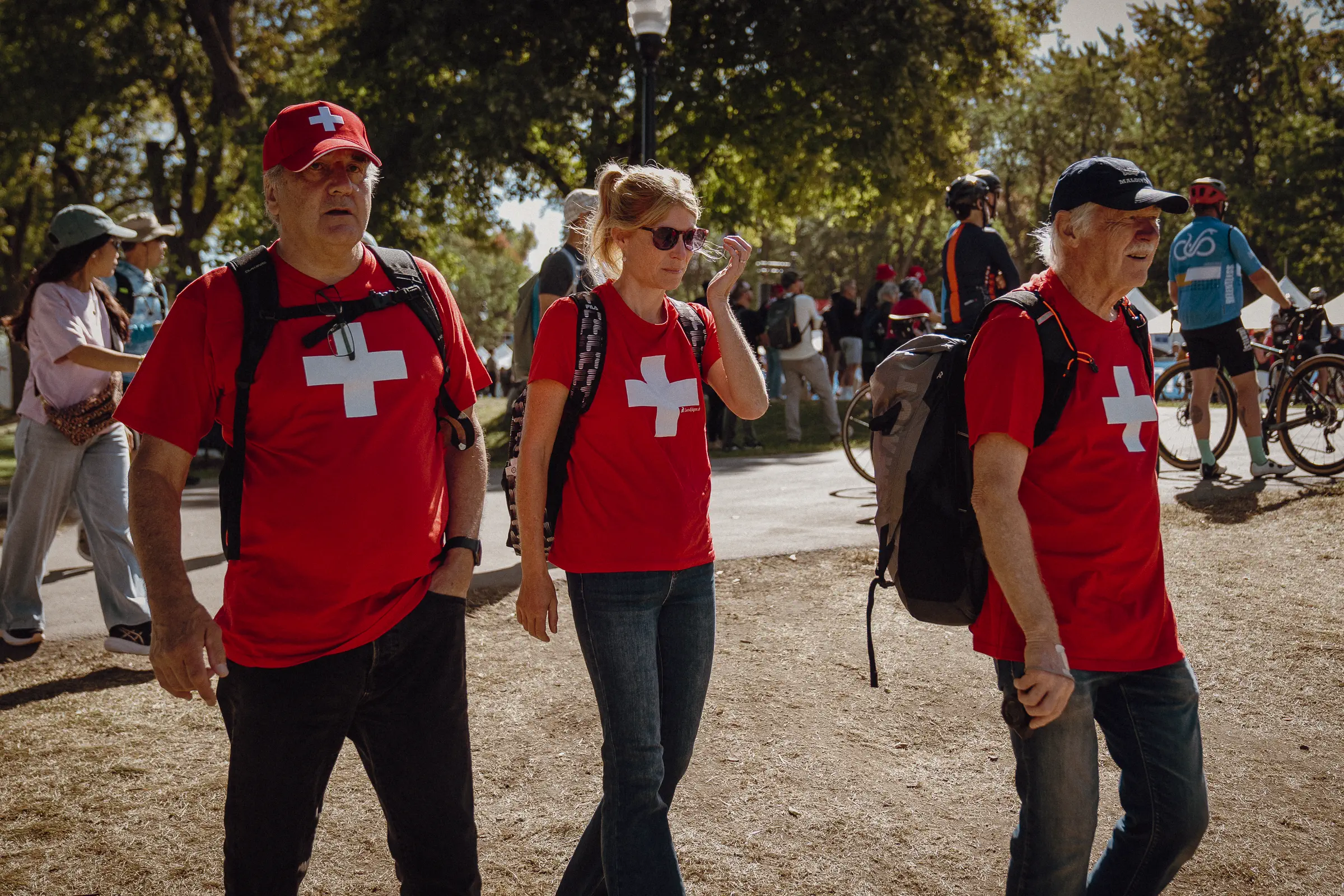
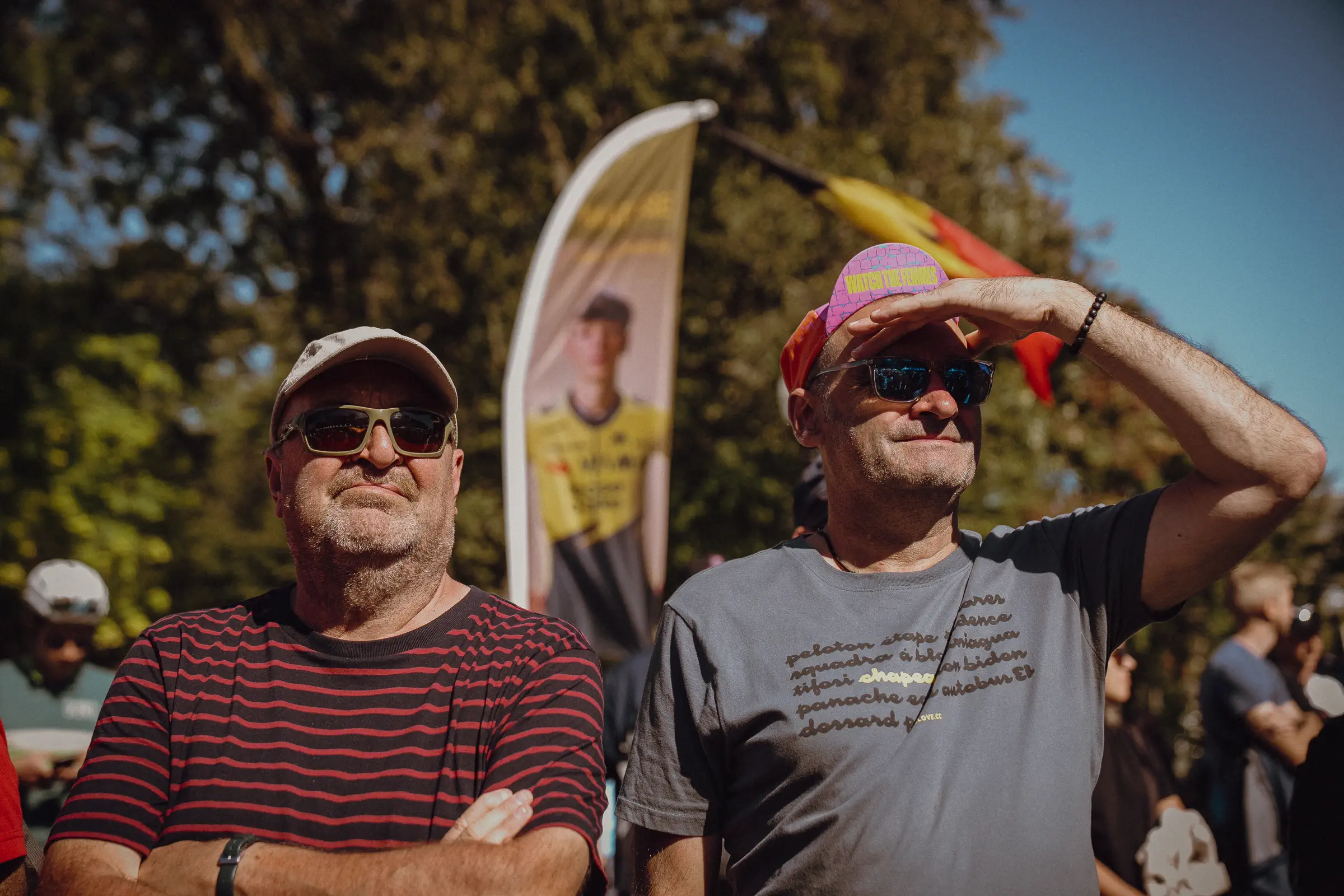
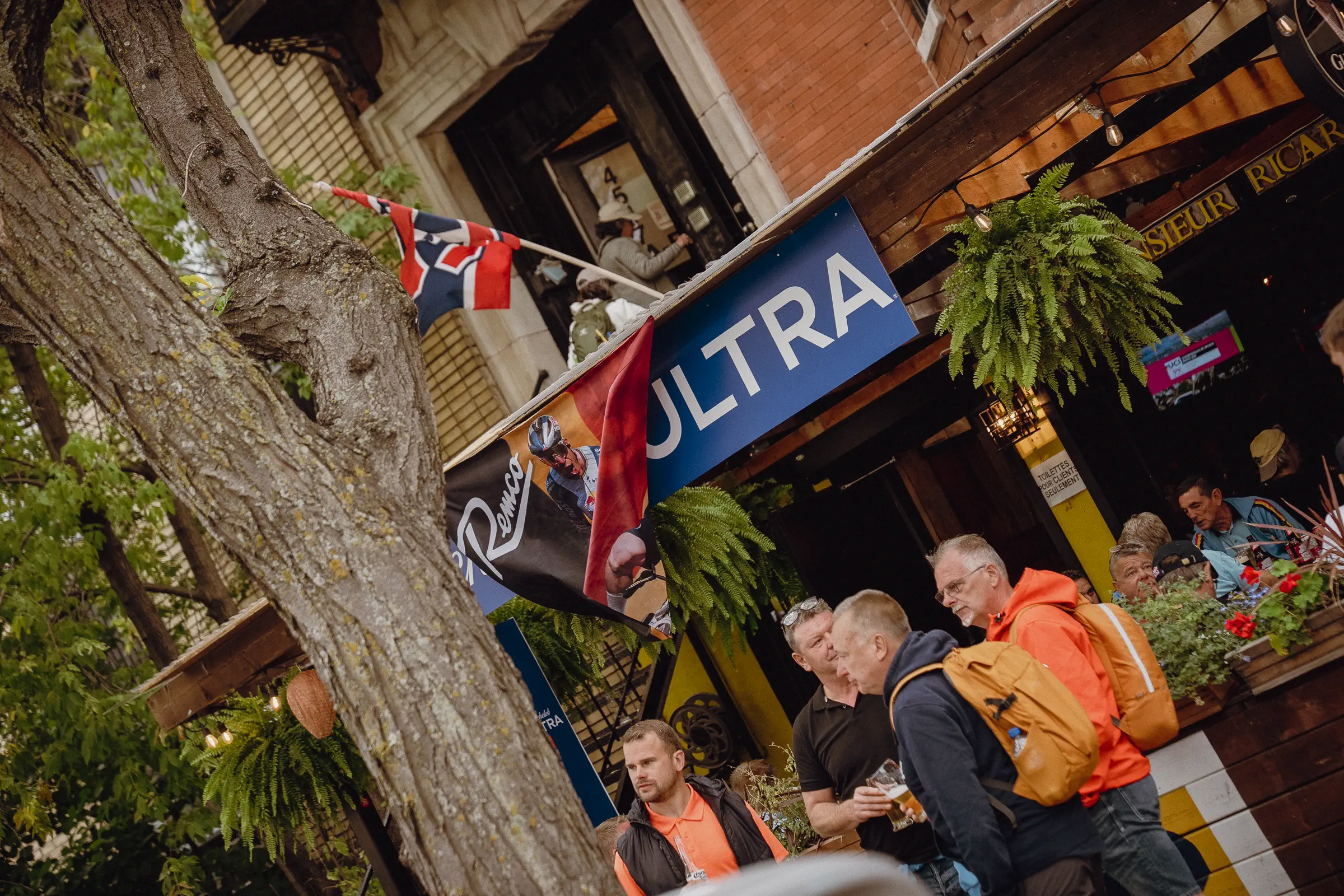
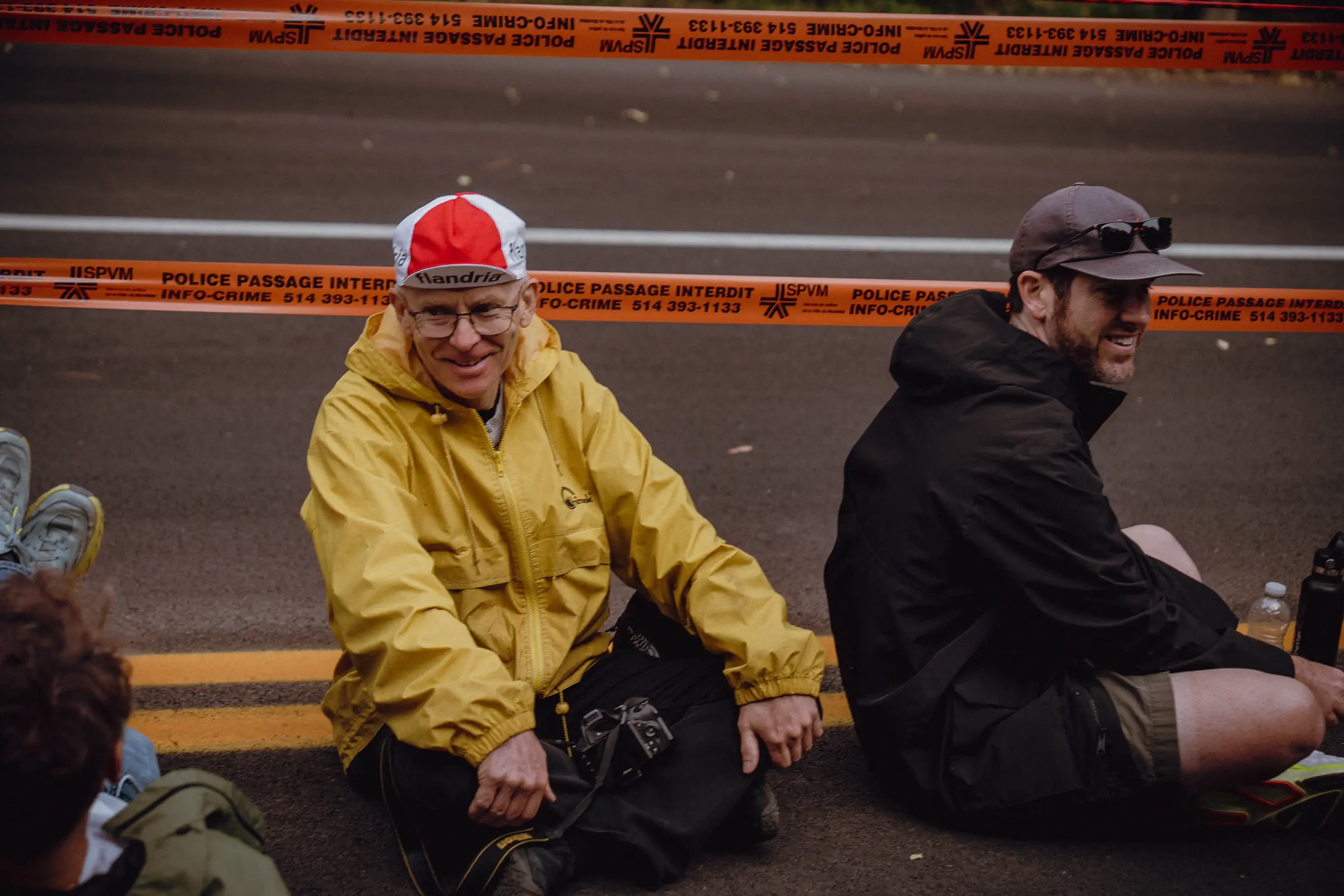
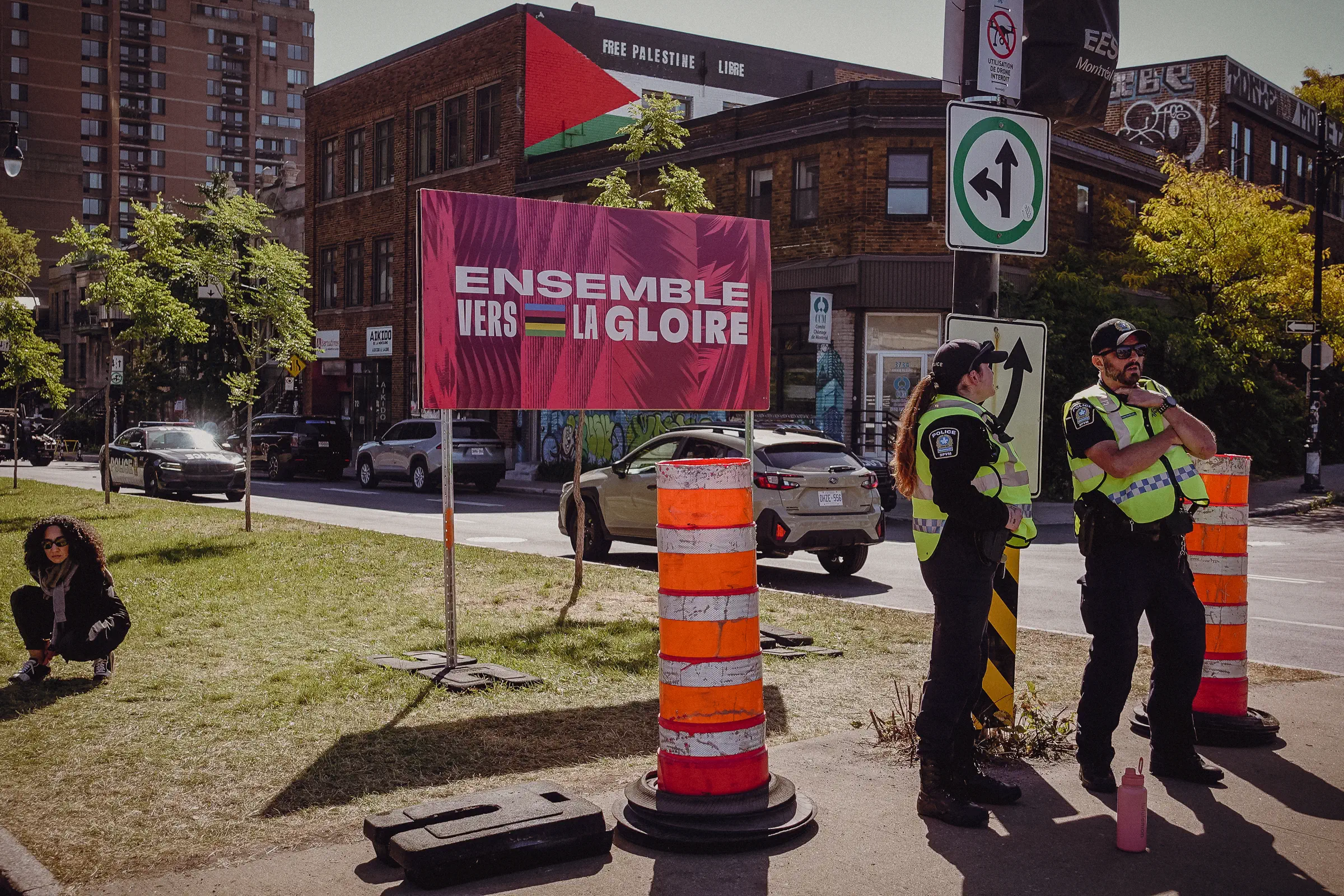
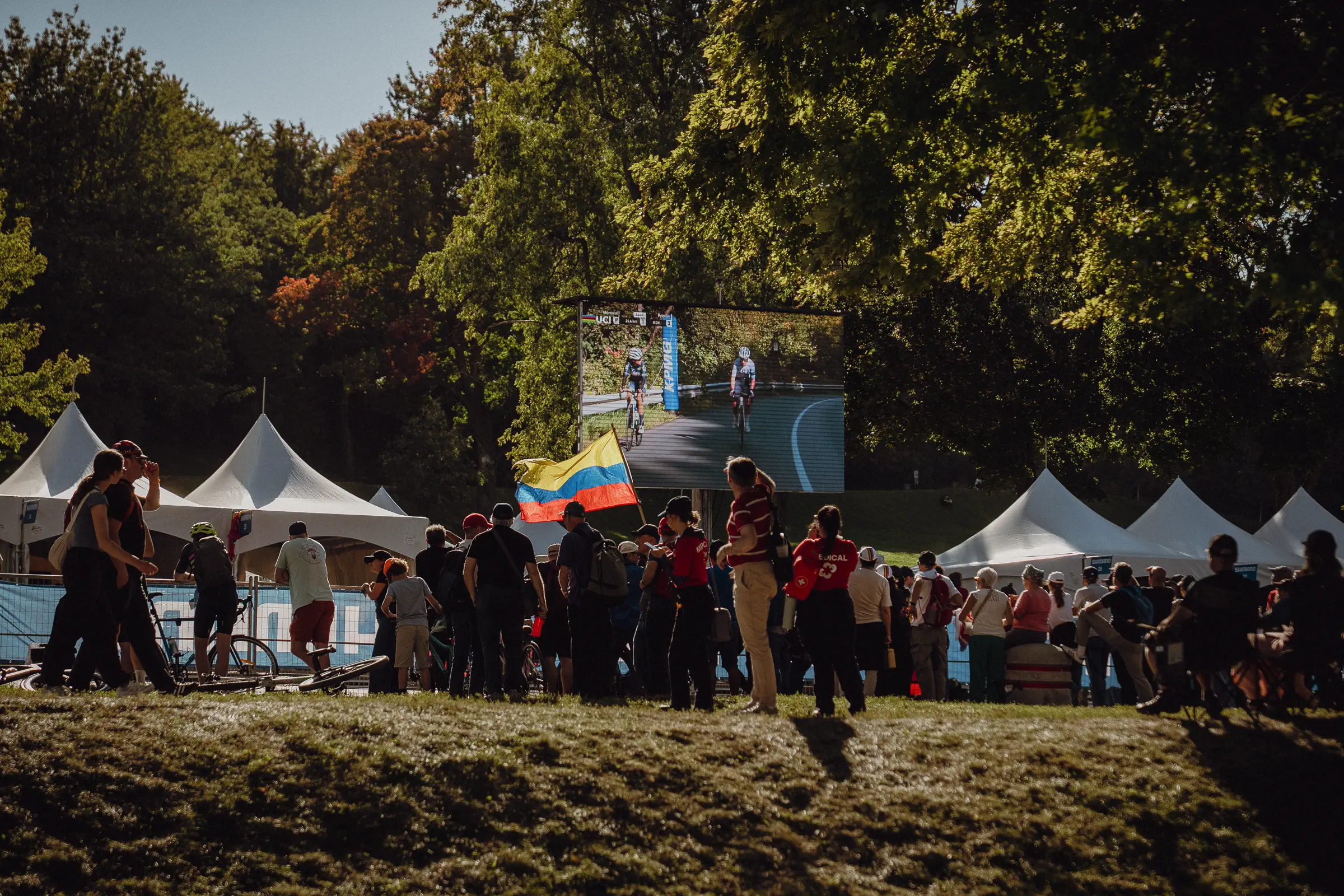
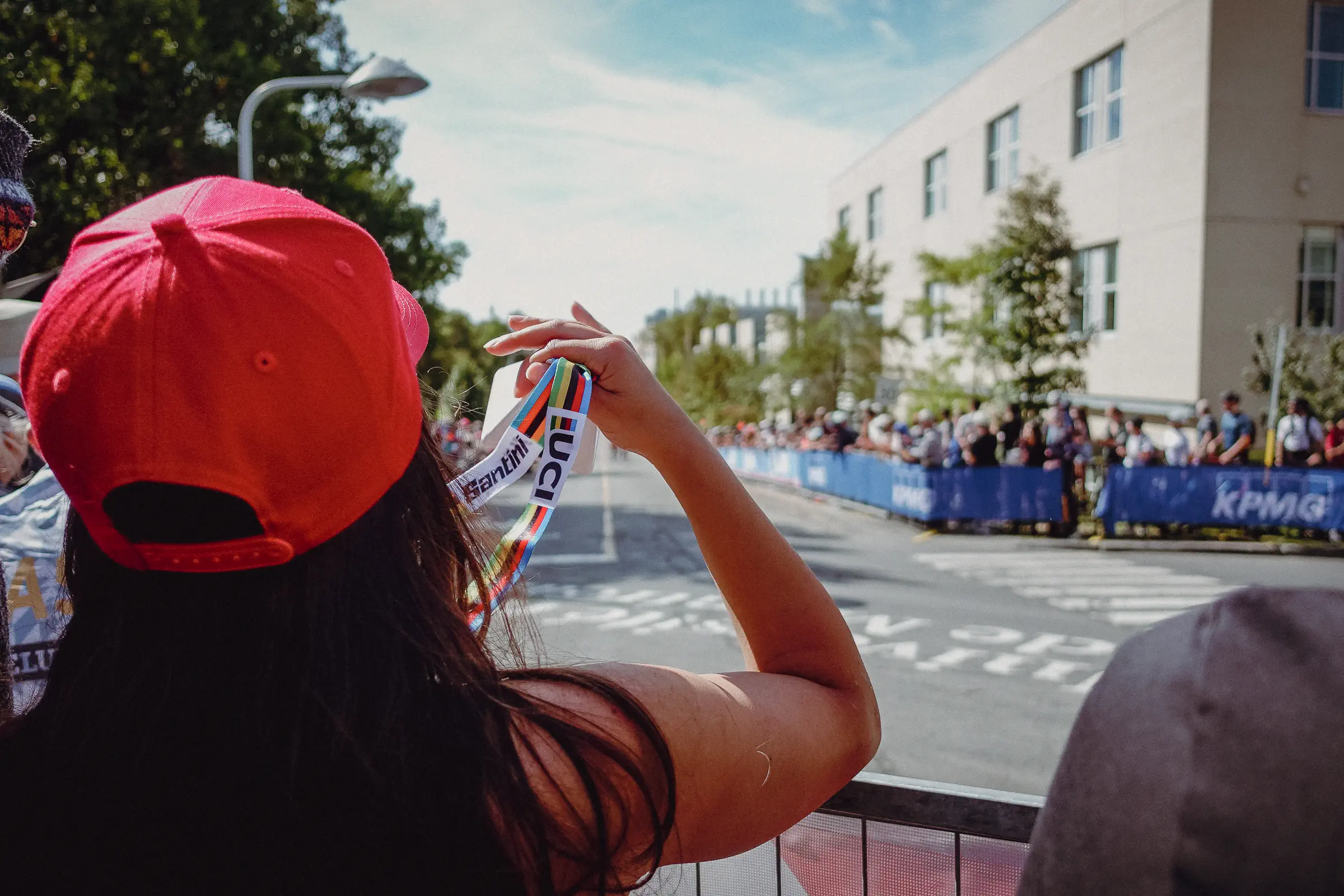
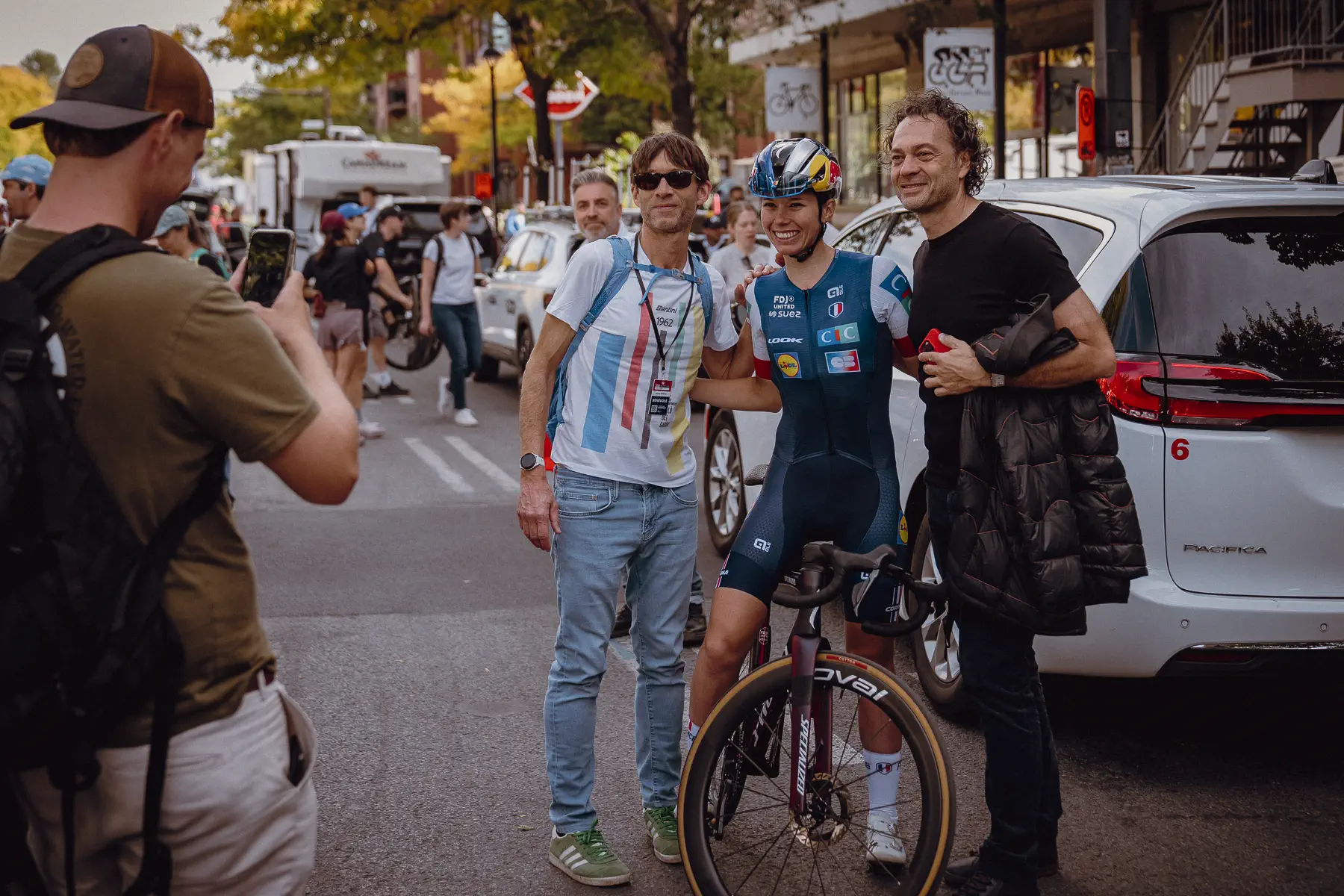
Watching a World Championship from the roadside changes the scale of it. On television, the race is attacks, gaps and results. In Montréal, what stayed with me were the hours around them: people walking up the mountain, national colors replacing trade-team jerseys, the crowd arriving before the riders and the silence after the final car had passed. Mount Royal made the race hard. Montréal made it feel like a World Championship.
1974 women: 50 km / four laps per KOERS; 1:47:36 per PCS; winning average calculated from both. 2026 nation totals count national delegations only; AIN raced both Elite events, while the Refugee Cycling Team entered only the Men Elite race.
Explore the Details
Four details that make Montréal Worlds different from a normal race day: history, place, national colors and everything the broadcast leaves outside the frame.
The complete Road World Championships program had never been staged outside Europe. Montréal changed that. The week culminated around Mount Royal, where Geneviève Gambillon won the women’s title in 1:47:36 and Eddy Merckx completed his Giro–Tour–Worlds Triple Crown.
The women raced four laps of the 12.5-kilometer Mount Royal circuit, covering 50 km. The men faced 21 laps of a 12.5-kilometer circuit; only 18 of 70 starters finished. An estimated 200,000 spectators watched across the Elite weekend.
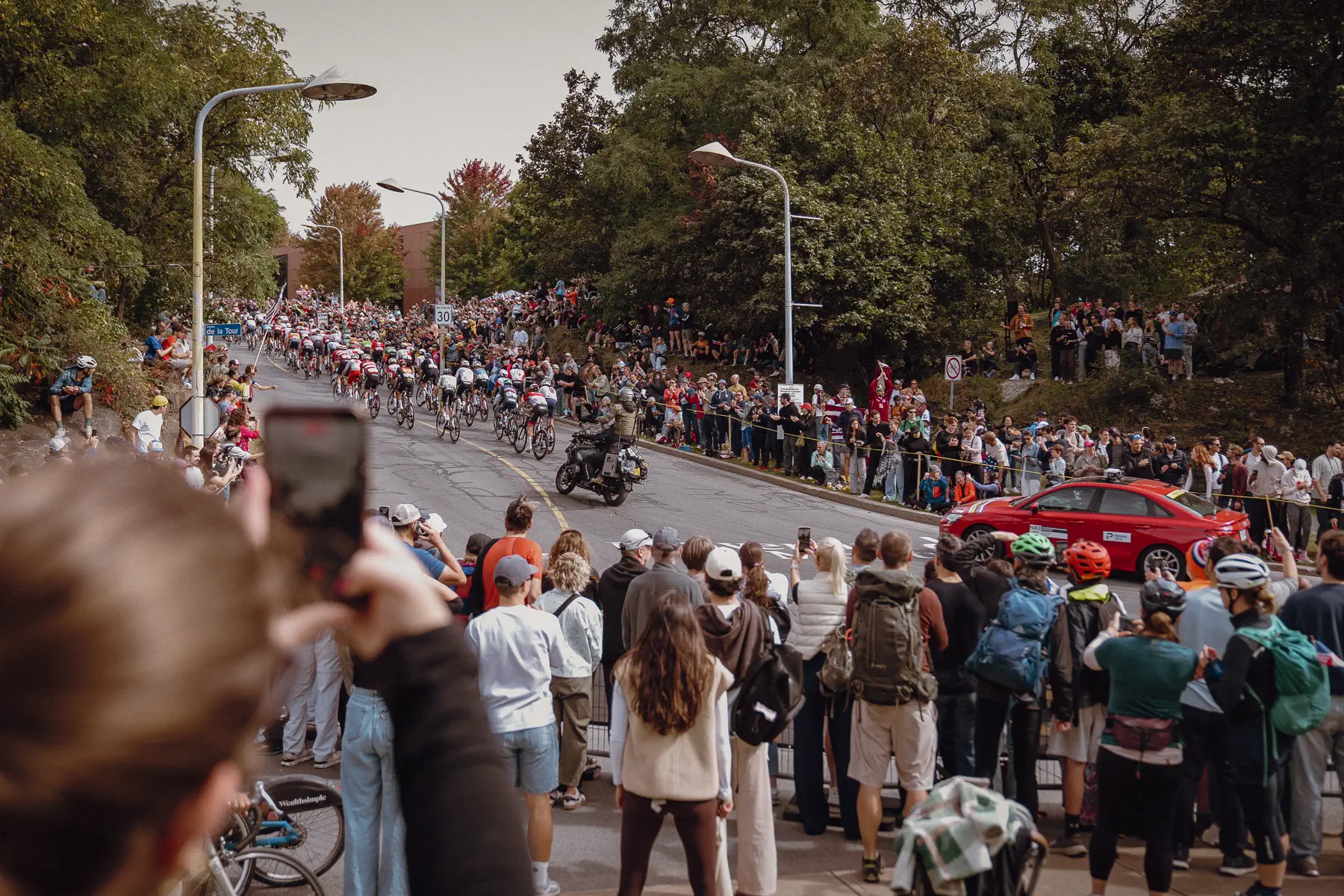
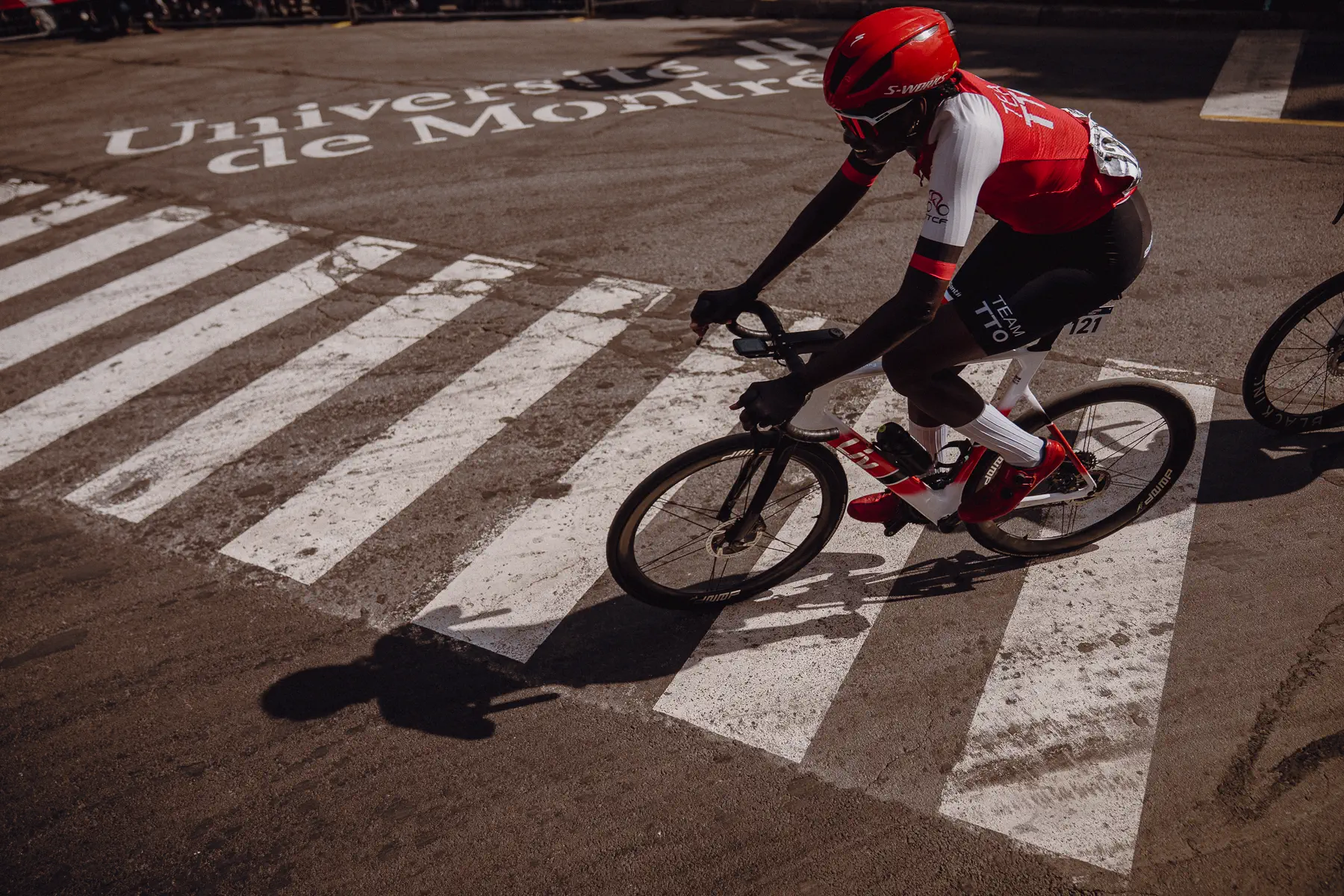
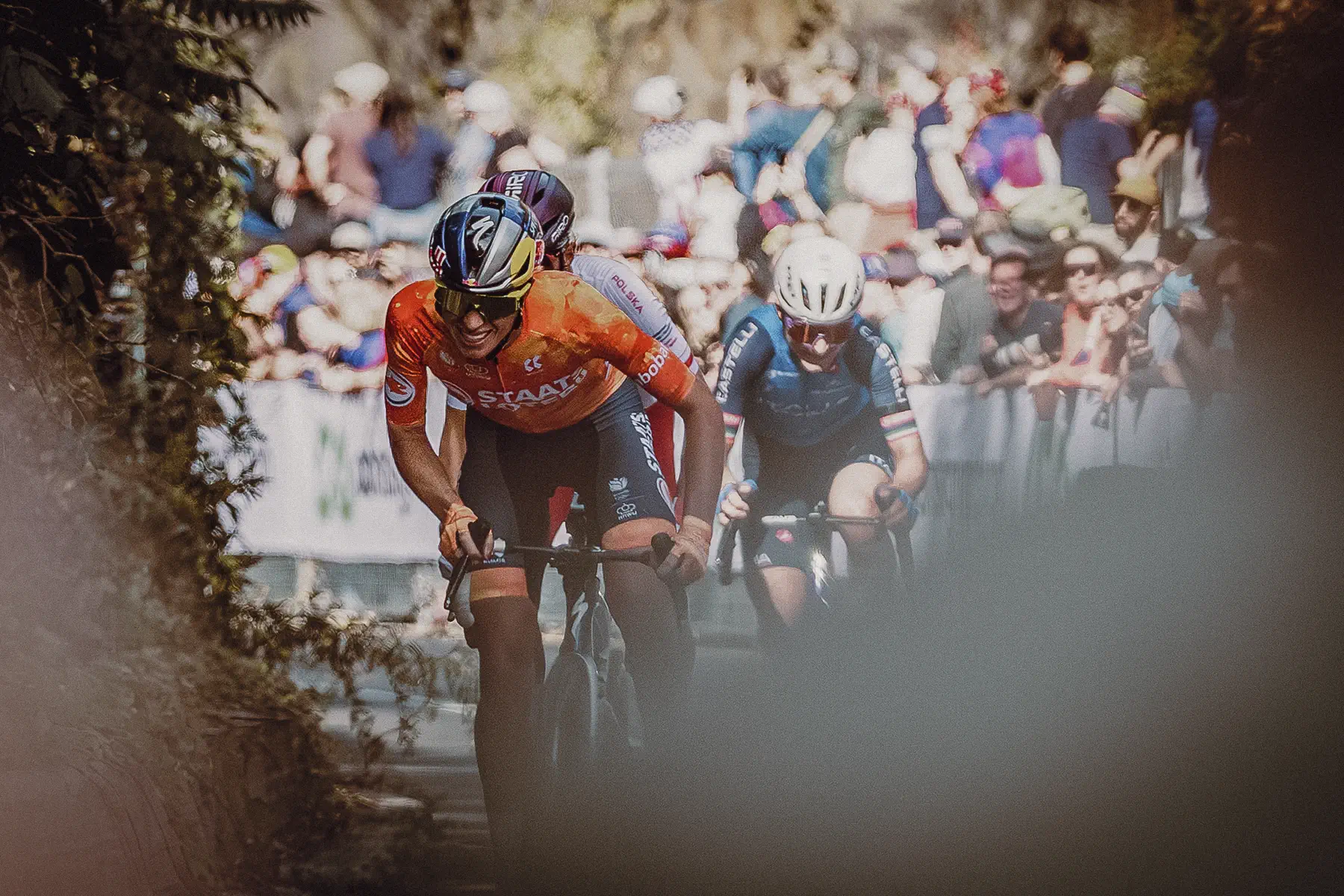
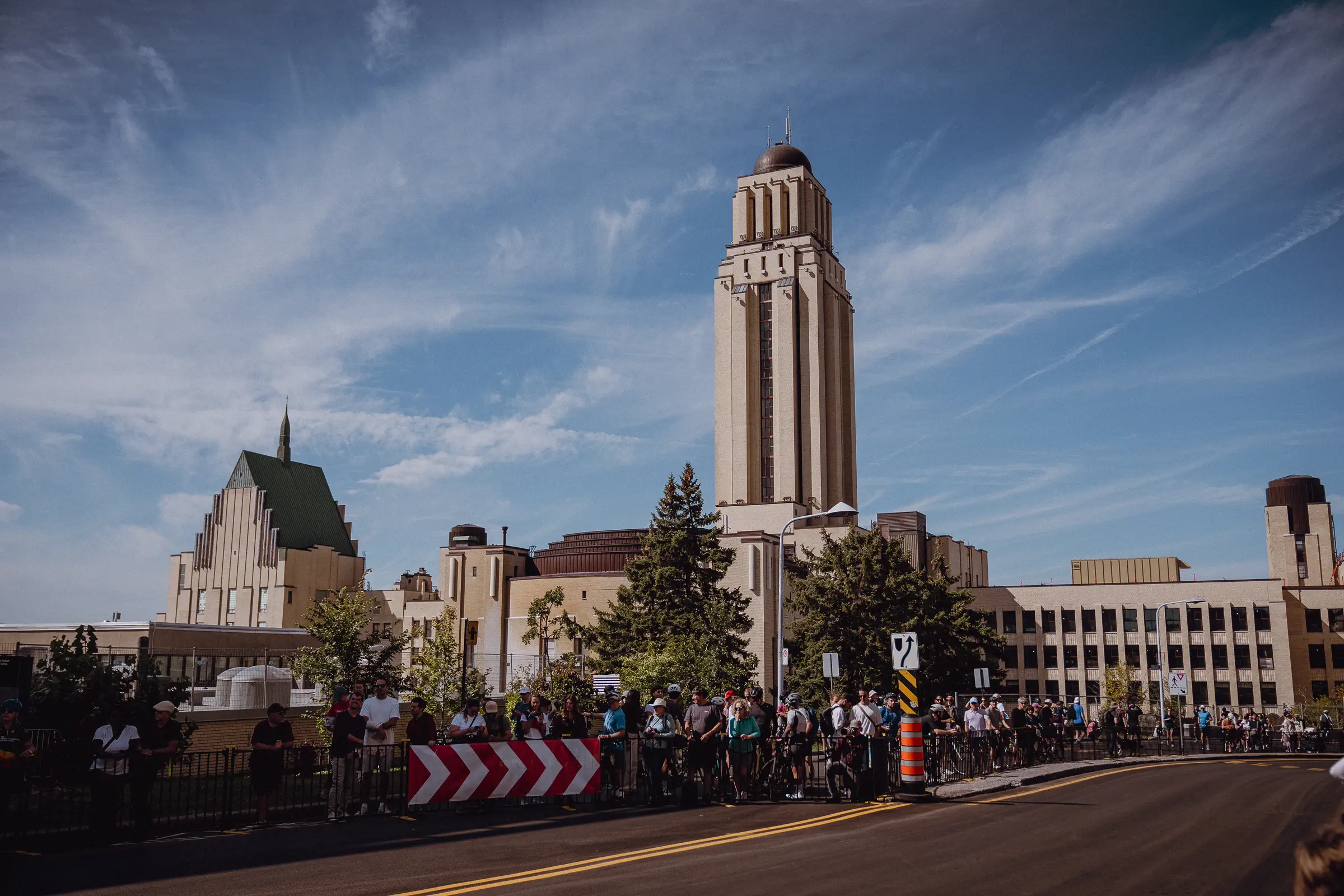
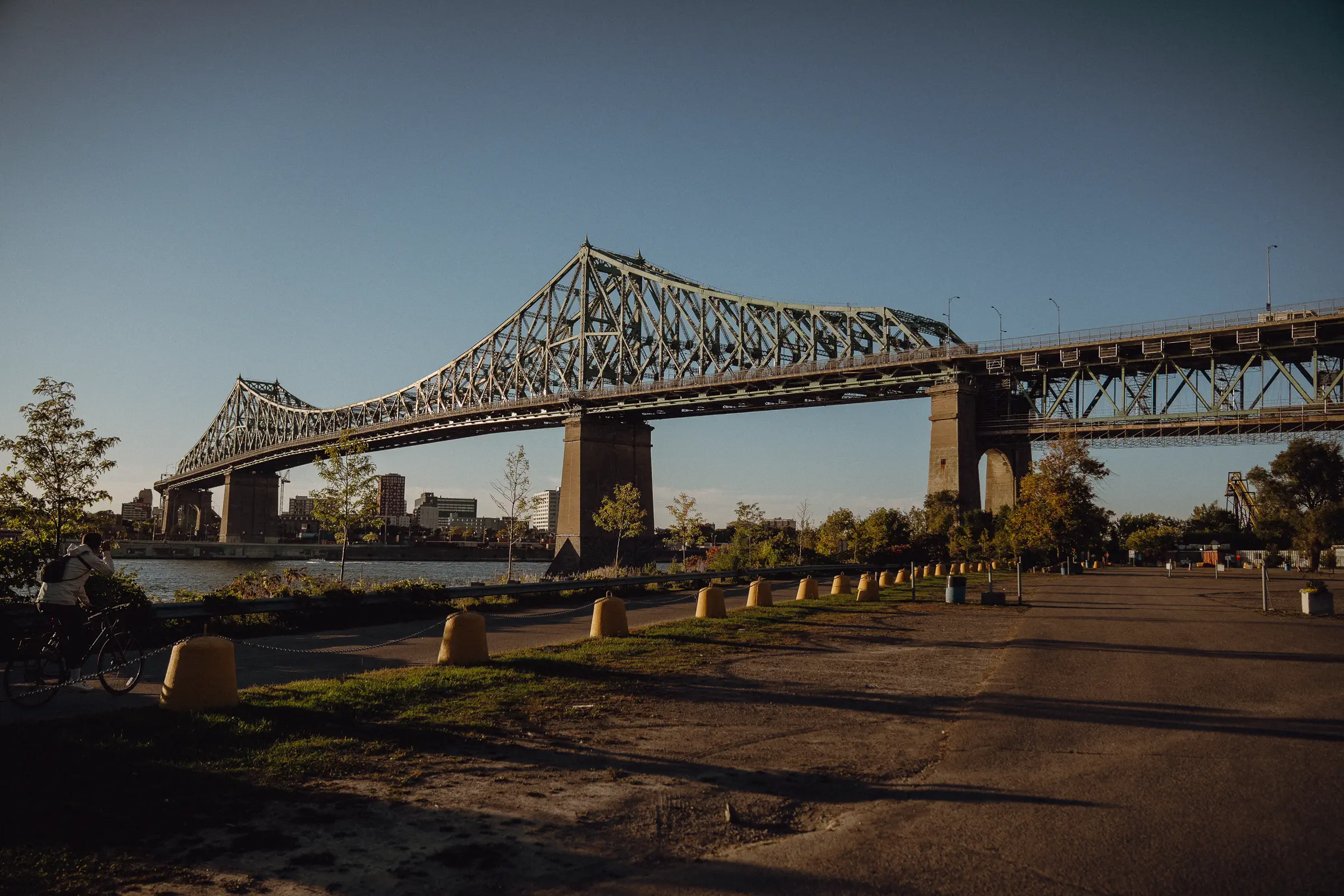
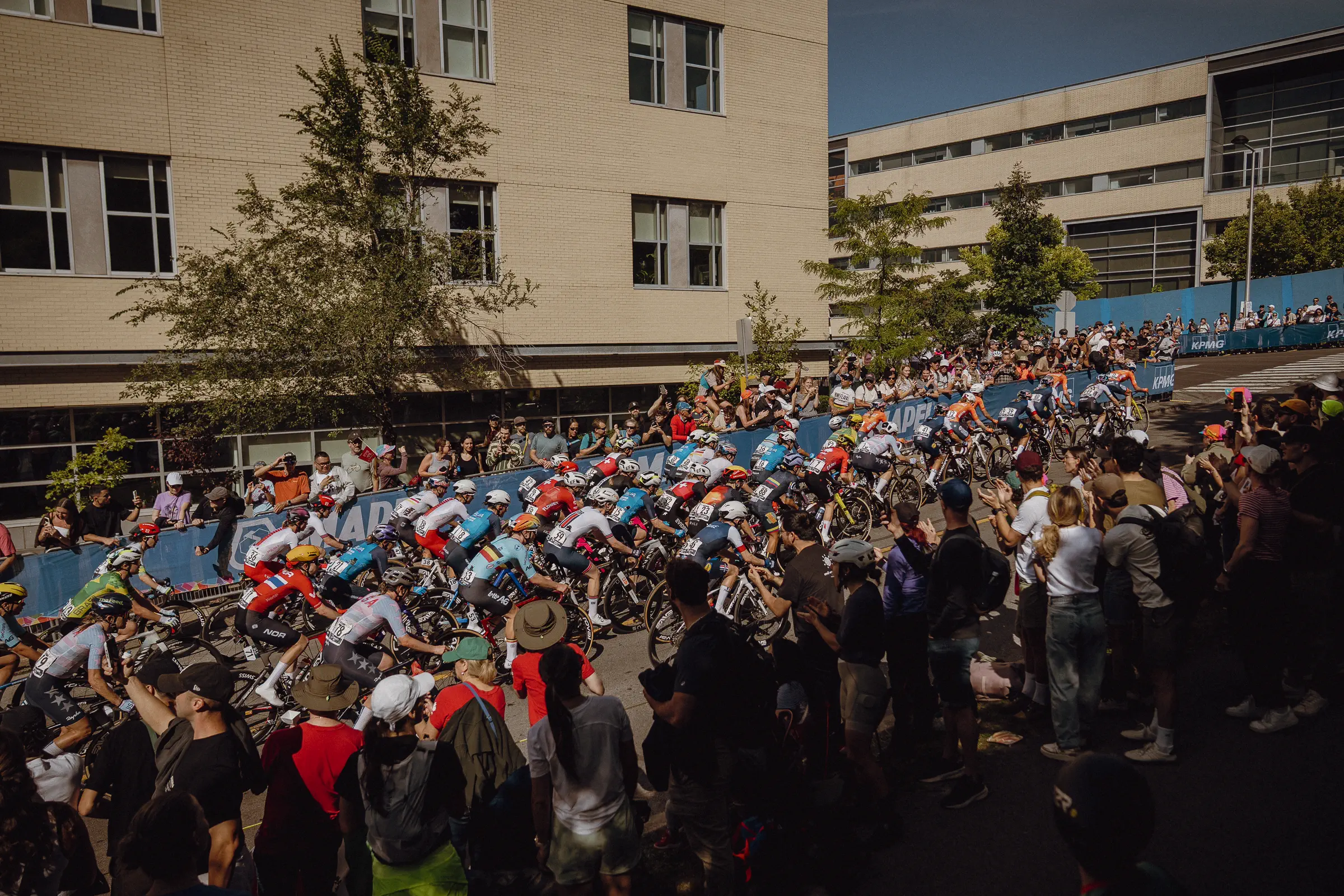
The 2026 Elite road races approached Montréal from Brossard and crossed the Samuel-De Champlain Bridge before each race compressed onto the final circuit. Camillien-Houde, Chemin de la Polytechnique with gradients above 11%, then Avenue du Parc: the sequence repeated eight times for the women and twelve for the men.
At 13.4 km and 269 m of climbing per lap, the circuit accounts for roughly 59% of Elite race distance but about 84–85% of total elevation gain. Repetition is the difficulty. On Saturday, it opened the race without settling it: Demi Vollering attacked with 38.5 kilometers to go, was brought back by Katarzyna Niewiadoma and Elisa Longo Borghini, and after 180.1 km the rainbow still came down to the final meters on Avenue du Parc.
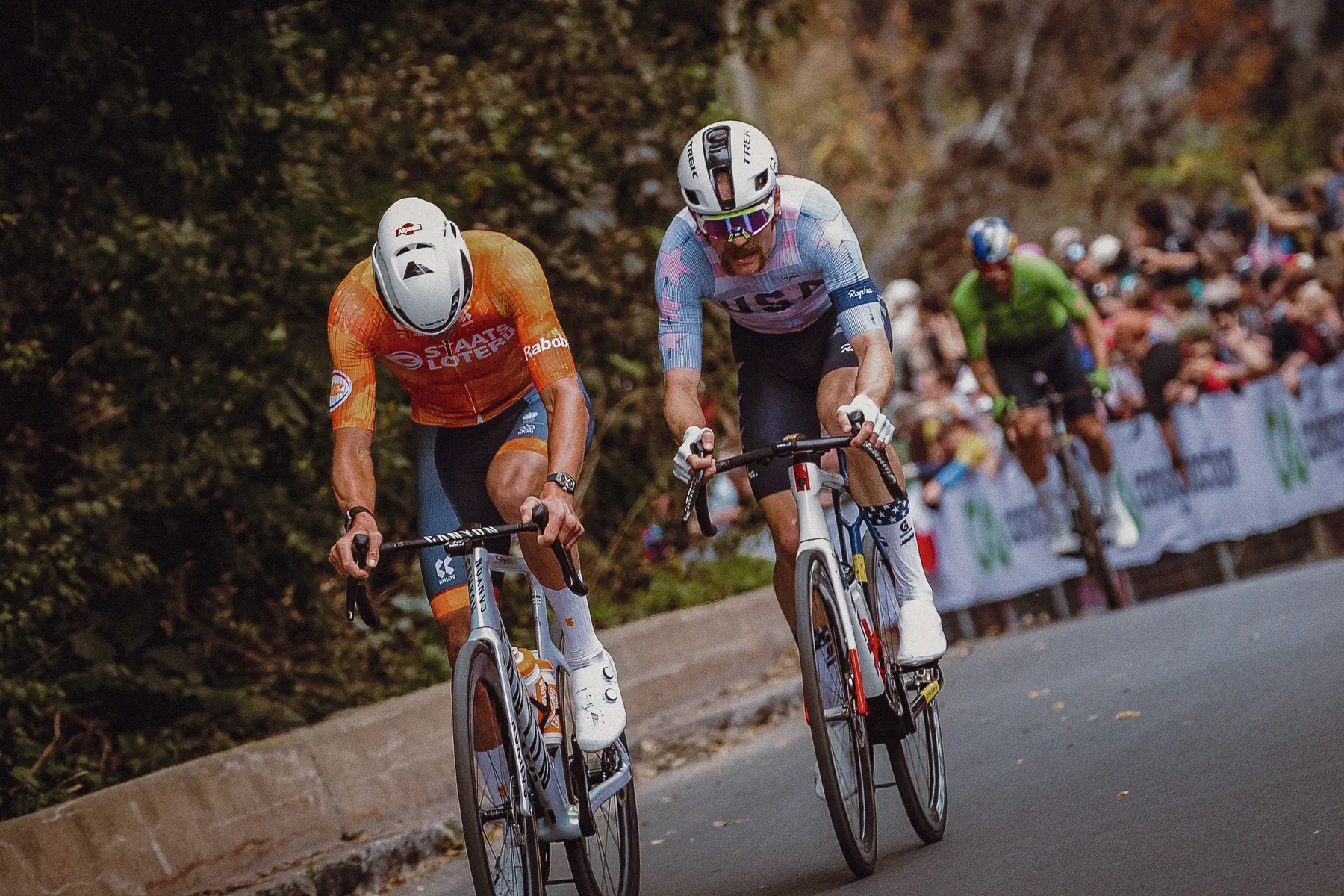
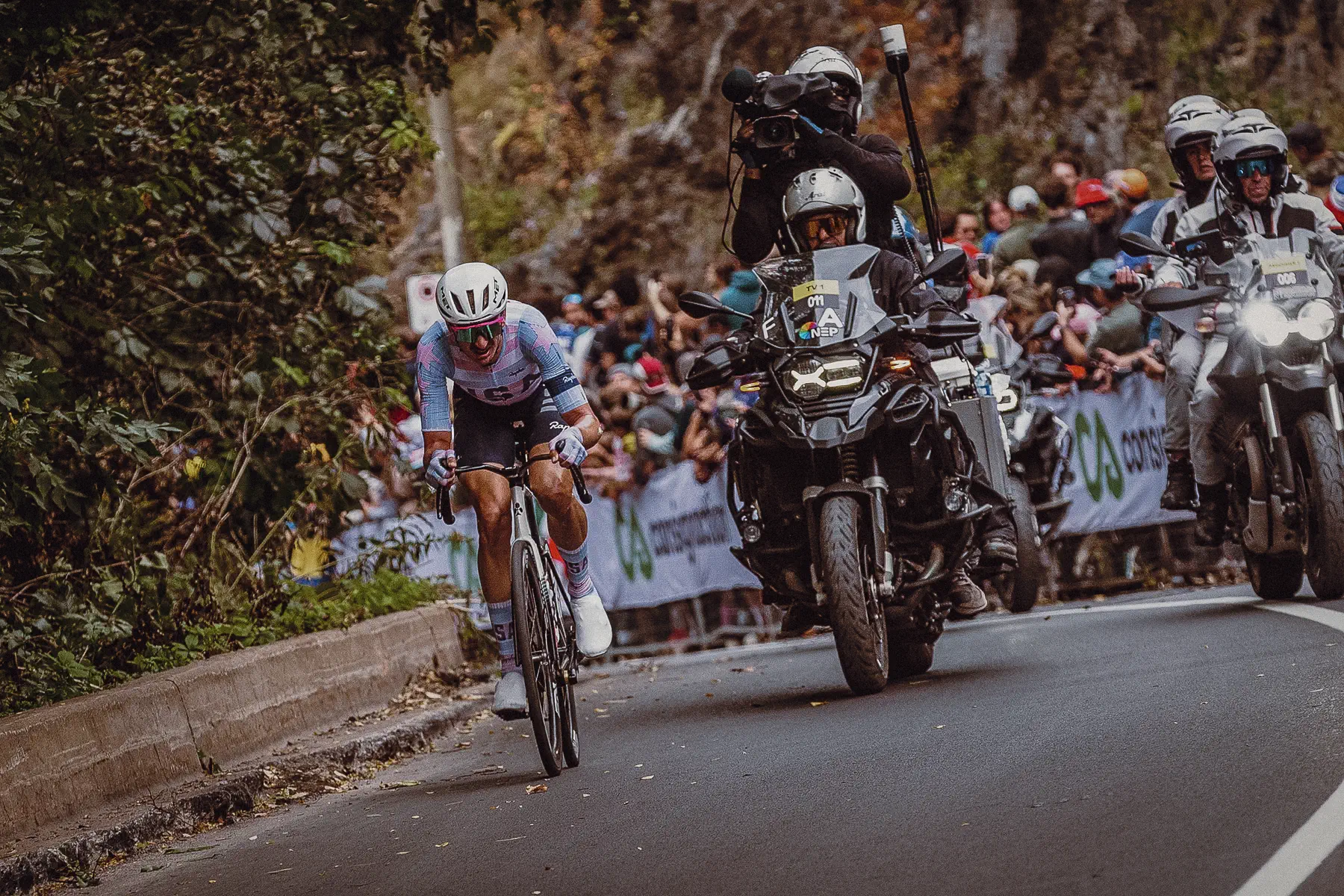
Sunday turned repetition into attrition. Brandon McNulty went clear with 33 kilometers remaining and carried more than a minute into the final two laps. On the last Camillien-Houde his lead collapsed to ten seconds. The mountain did not create the winning move. It almost erased it.
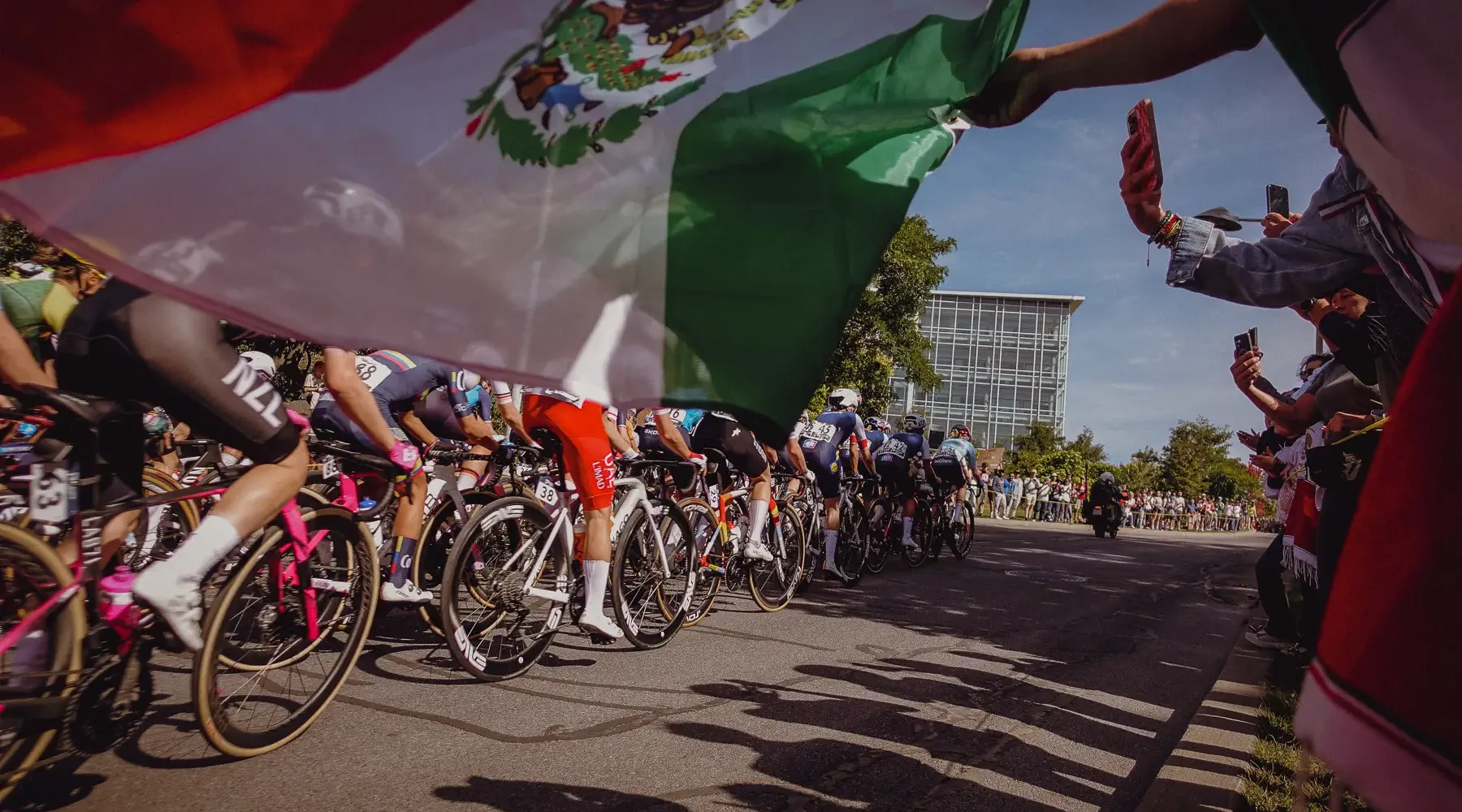
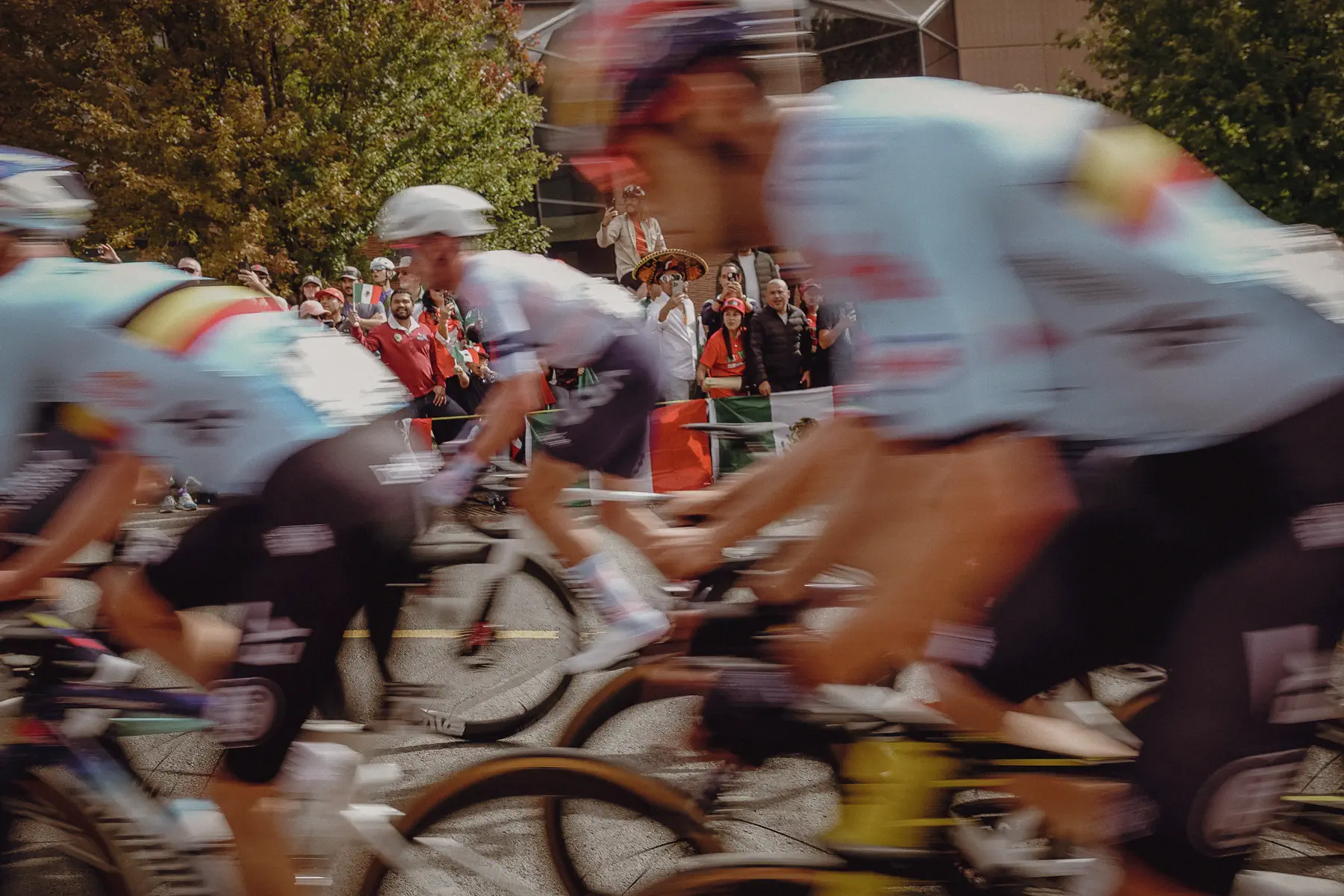
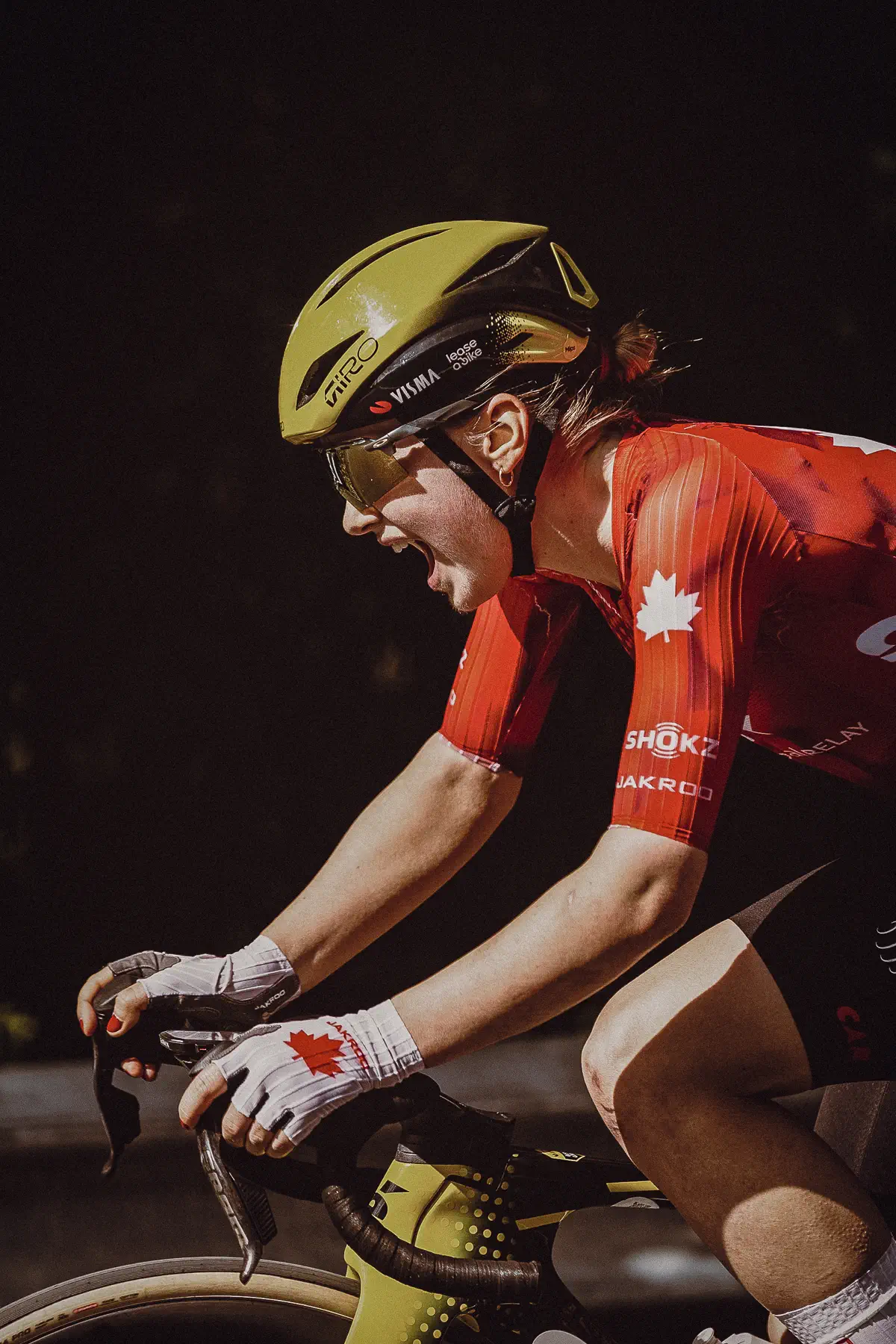
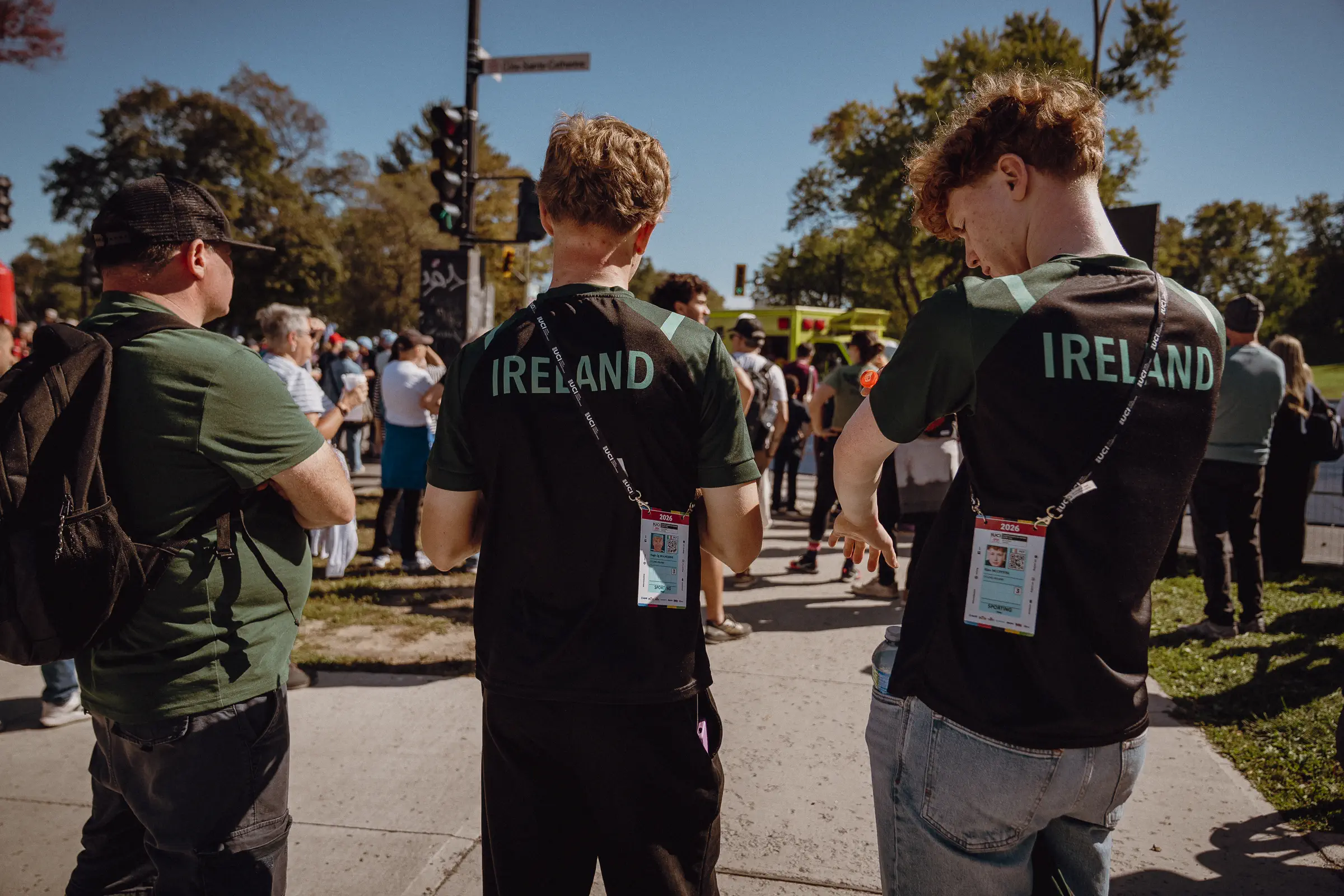
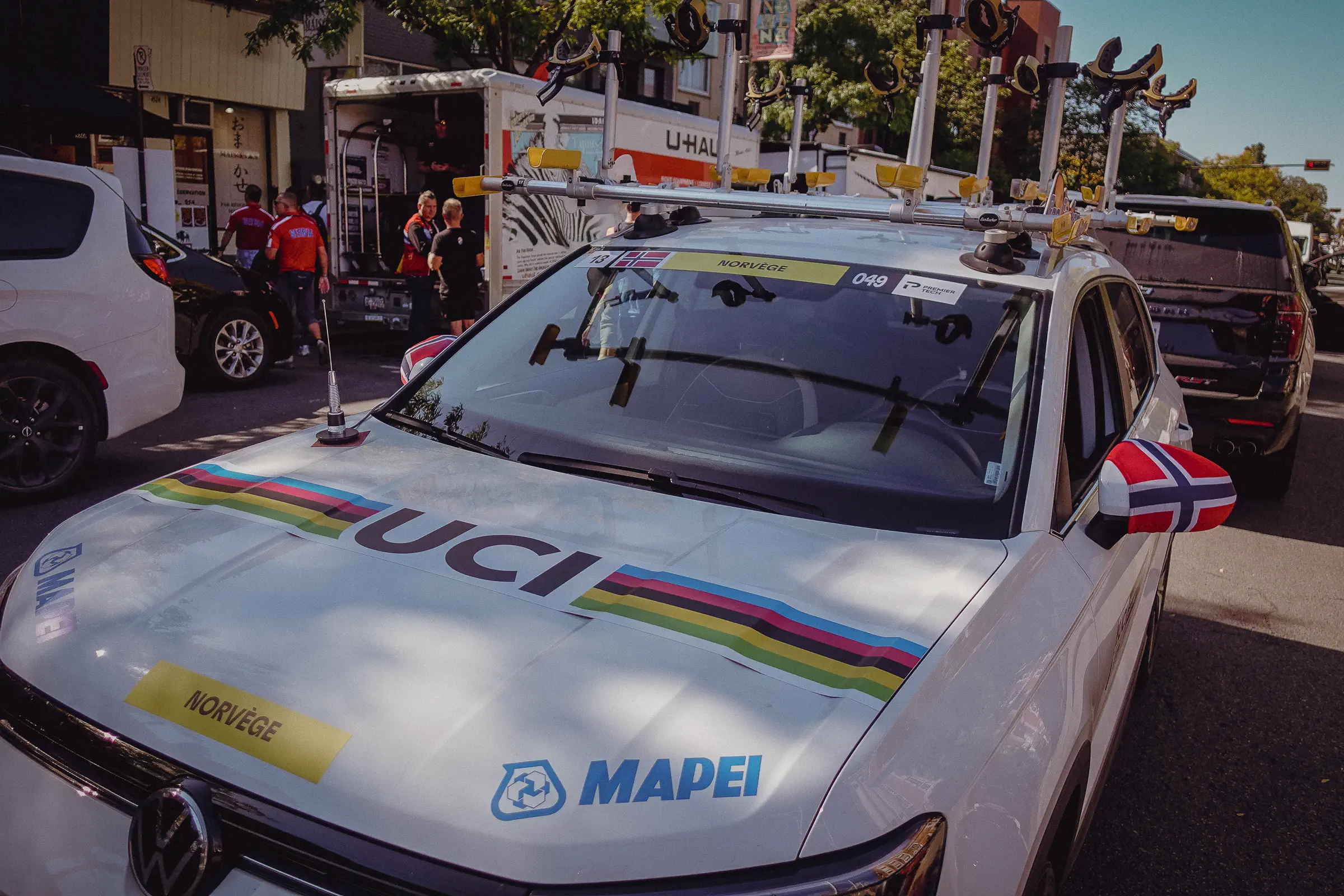
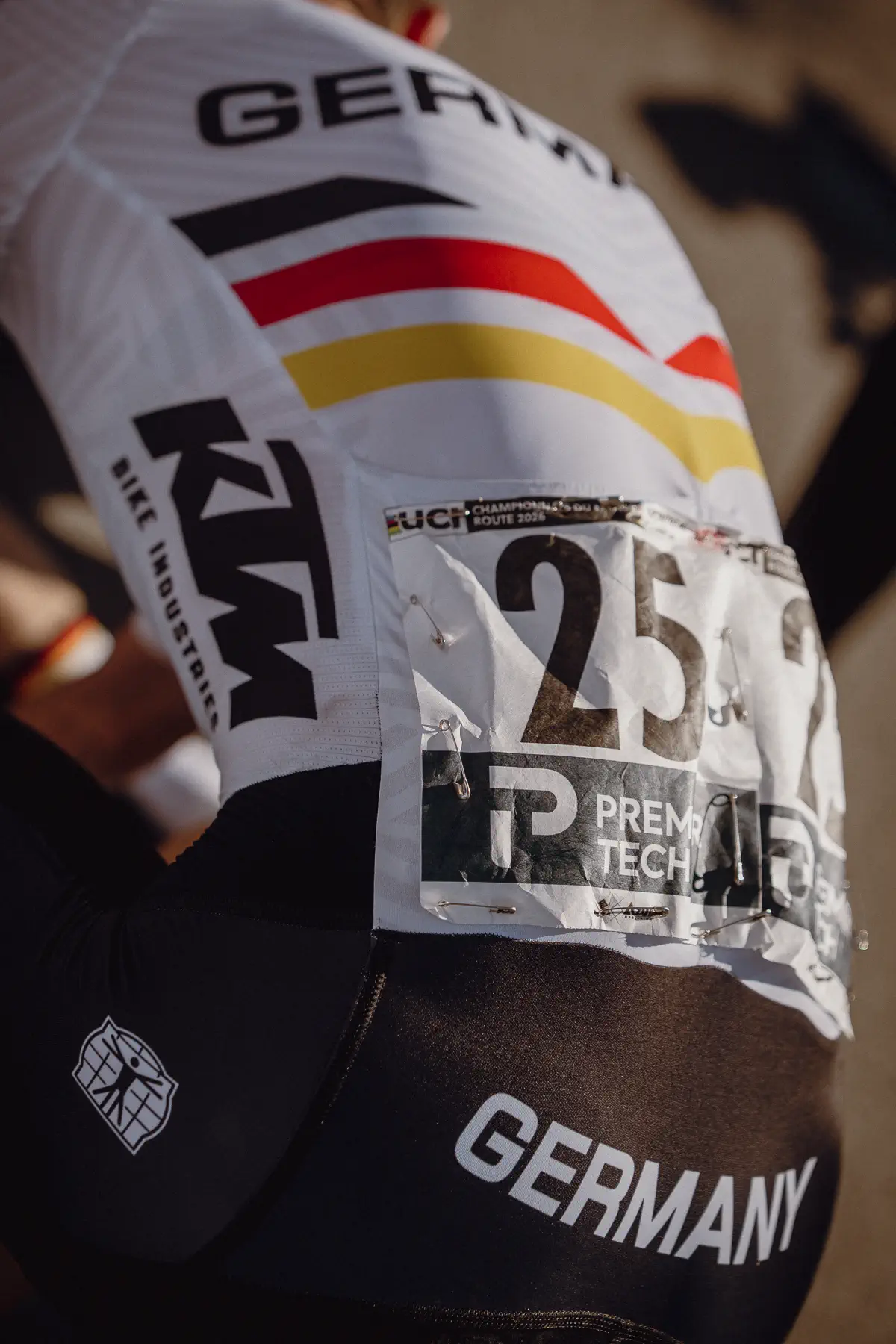
The World Championships interrupt the normal rhythm of professional cycling. Familiar trade-team identities give way to Belgian, Canadian, Irish, French, Dutch and German colors. Rivals become teammates and teammates become rivals.
Saturday made that inversion visible at the front: Dutch, Polish and Italian jerseys, rather than trade-team blocks, defined the decisive trio. Sunday pushed it further. The USA placed McNulty, Matteo Jorgenson and Quinn Simmons in the decisive selection, then used attacks and marking to turn numbers into control. For the camera, that changes the language of the sport: flags replace sponsor identities, and the crowd reads the race through countries as much as names.
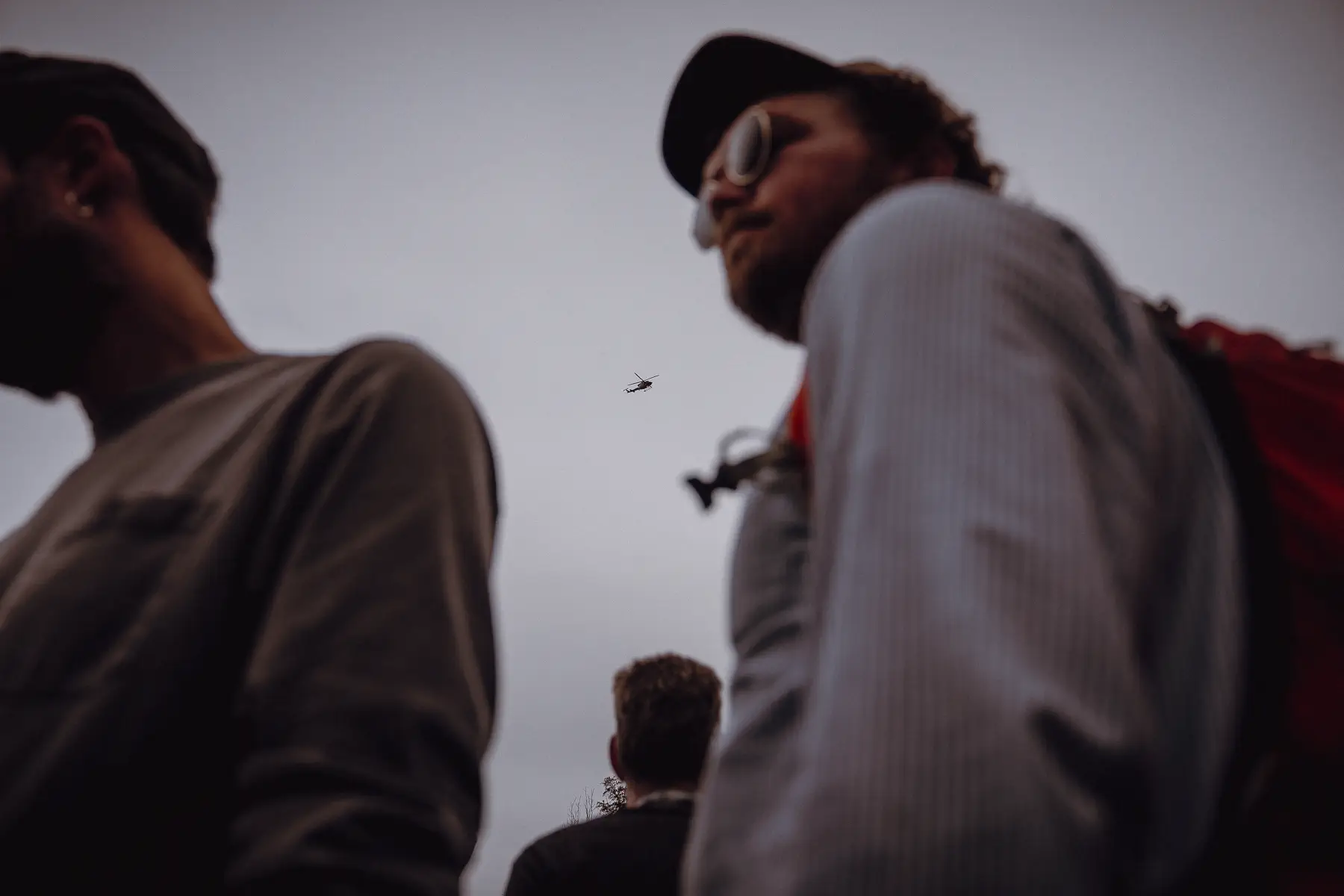
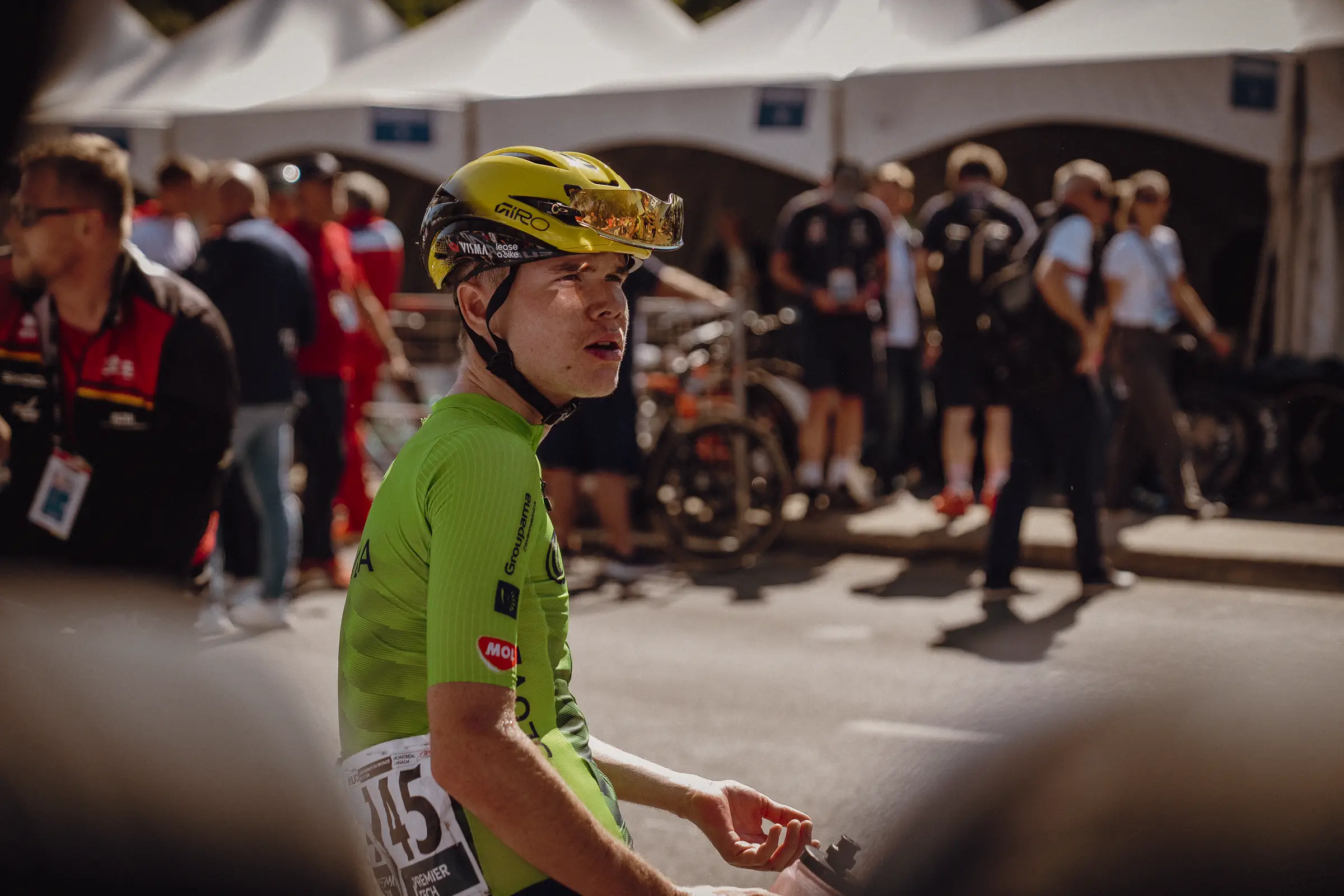
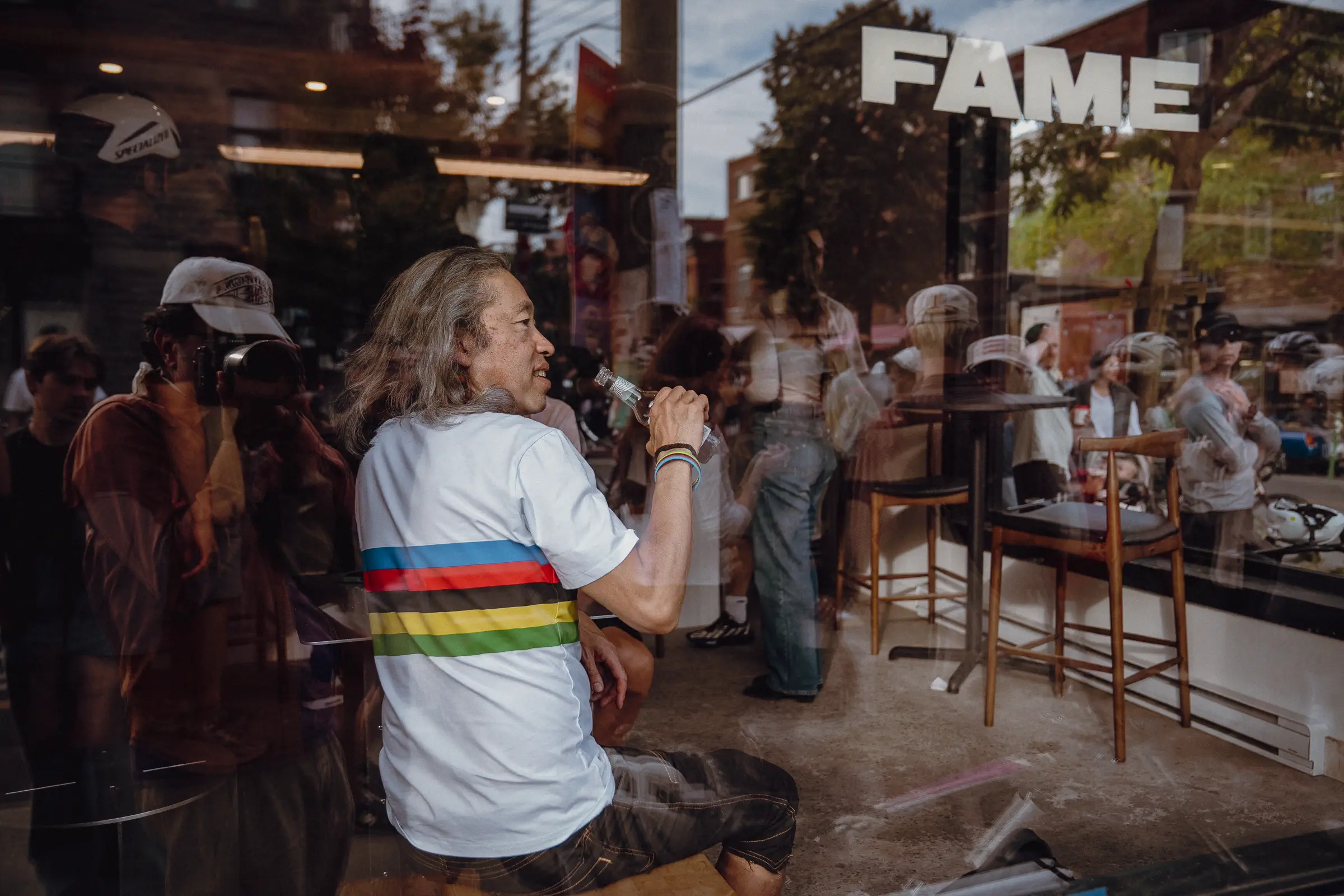
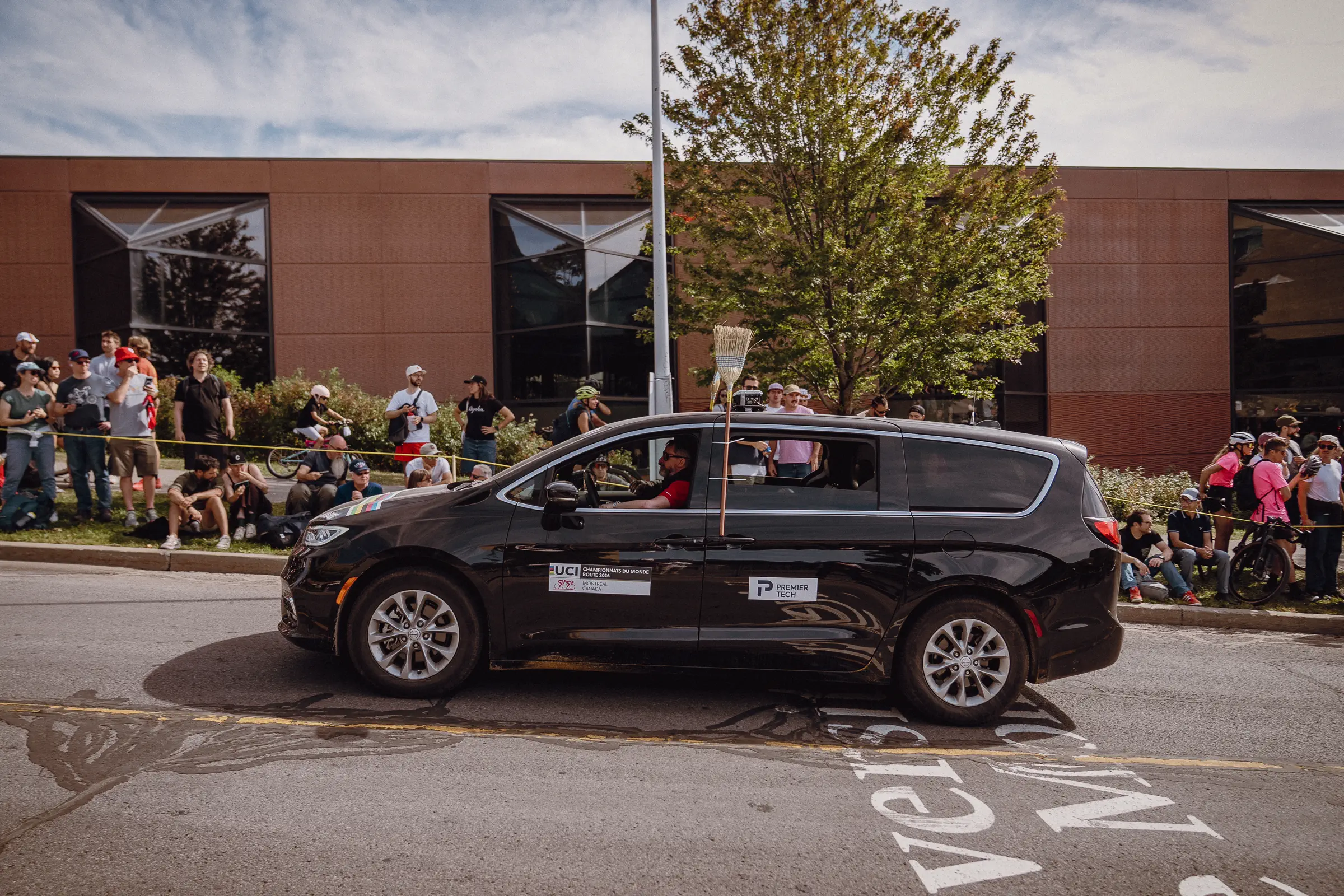
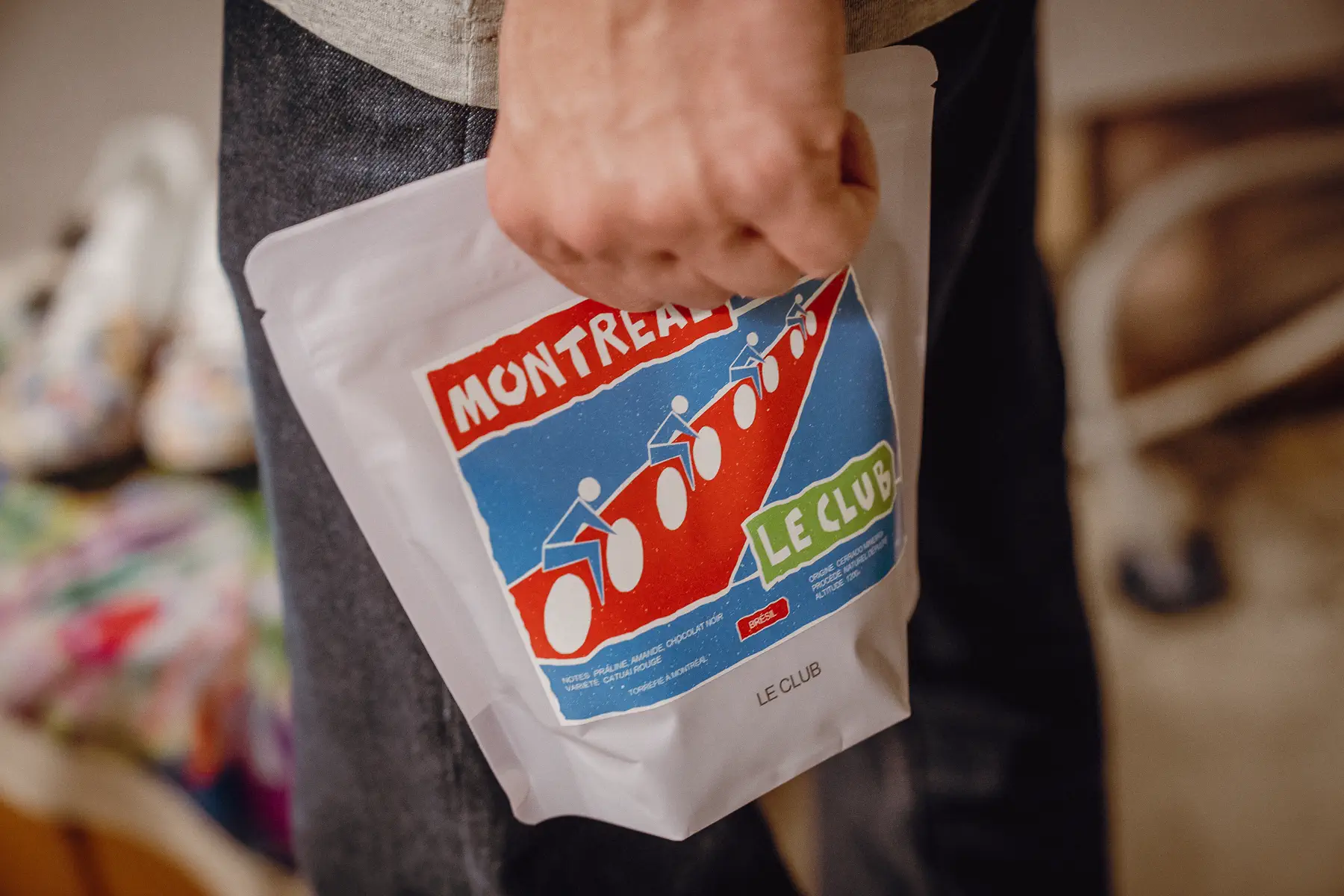
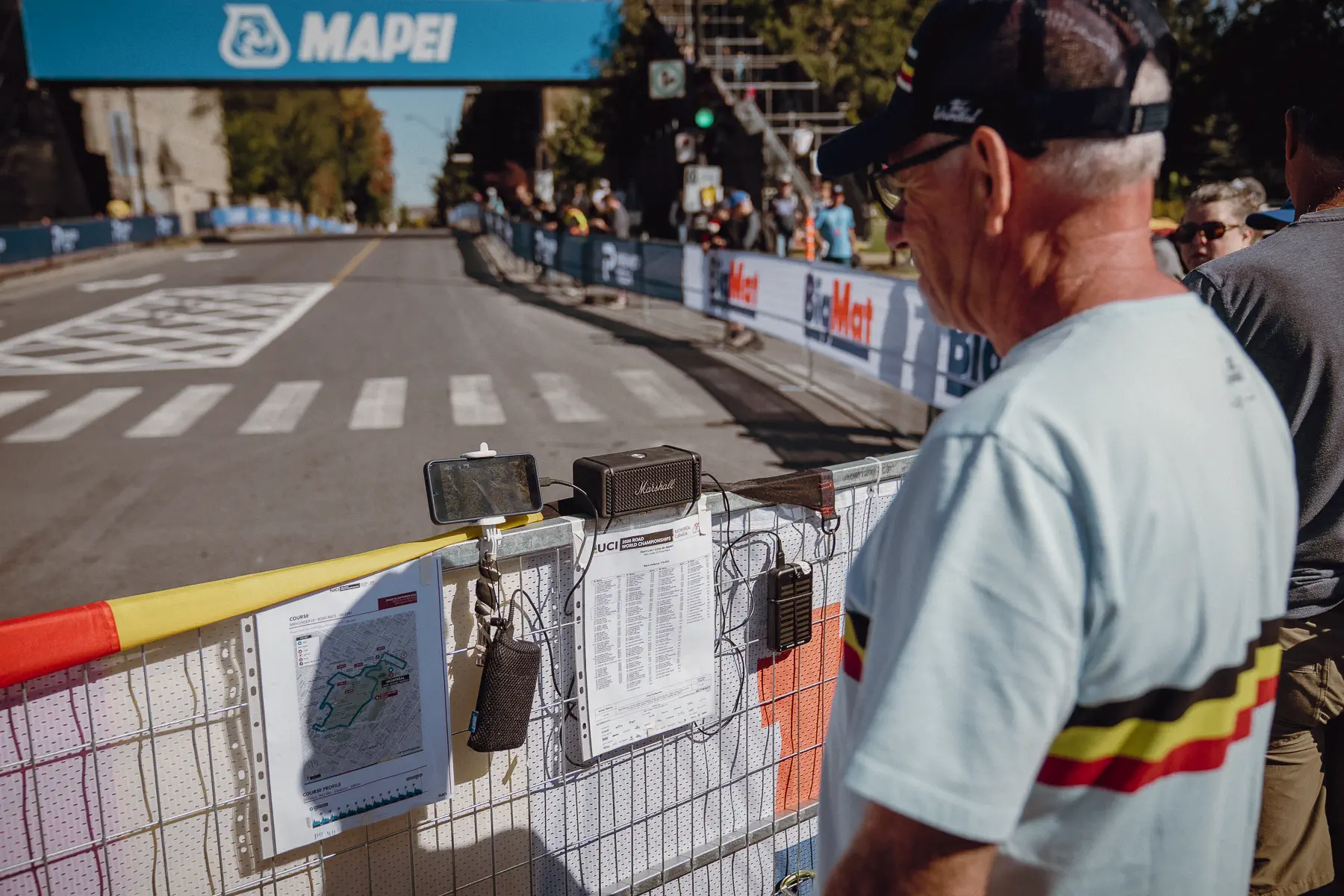
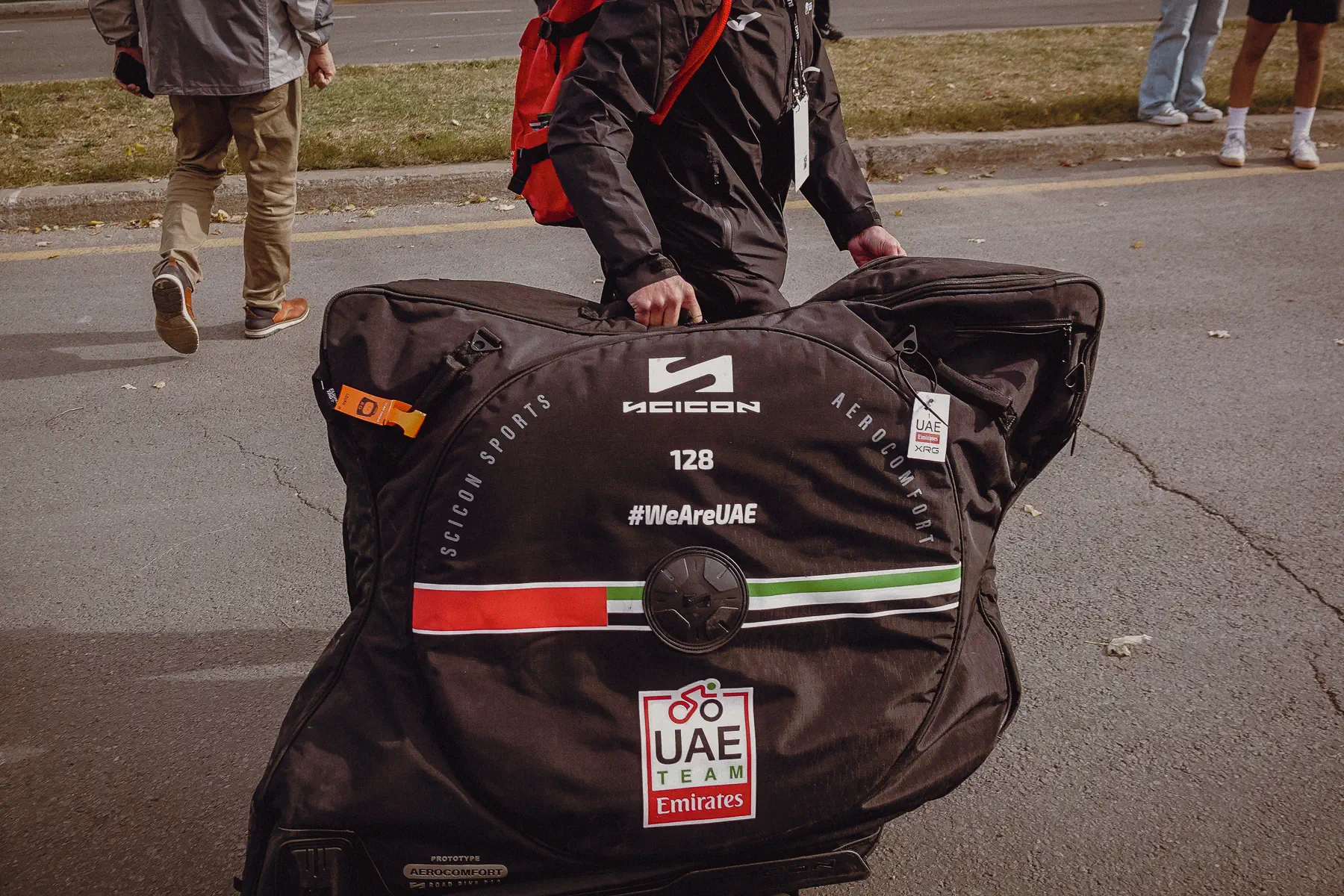
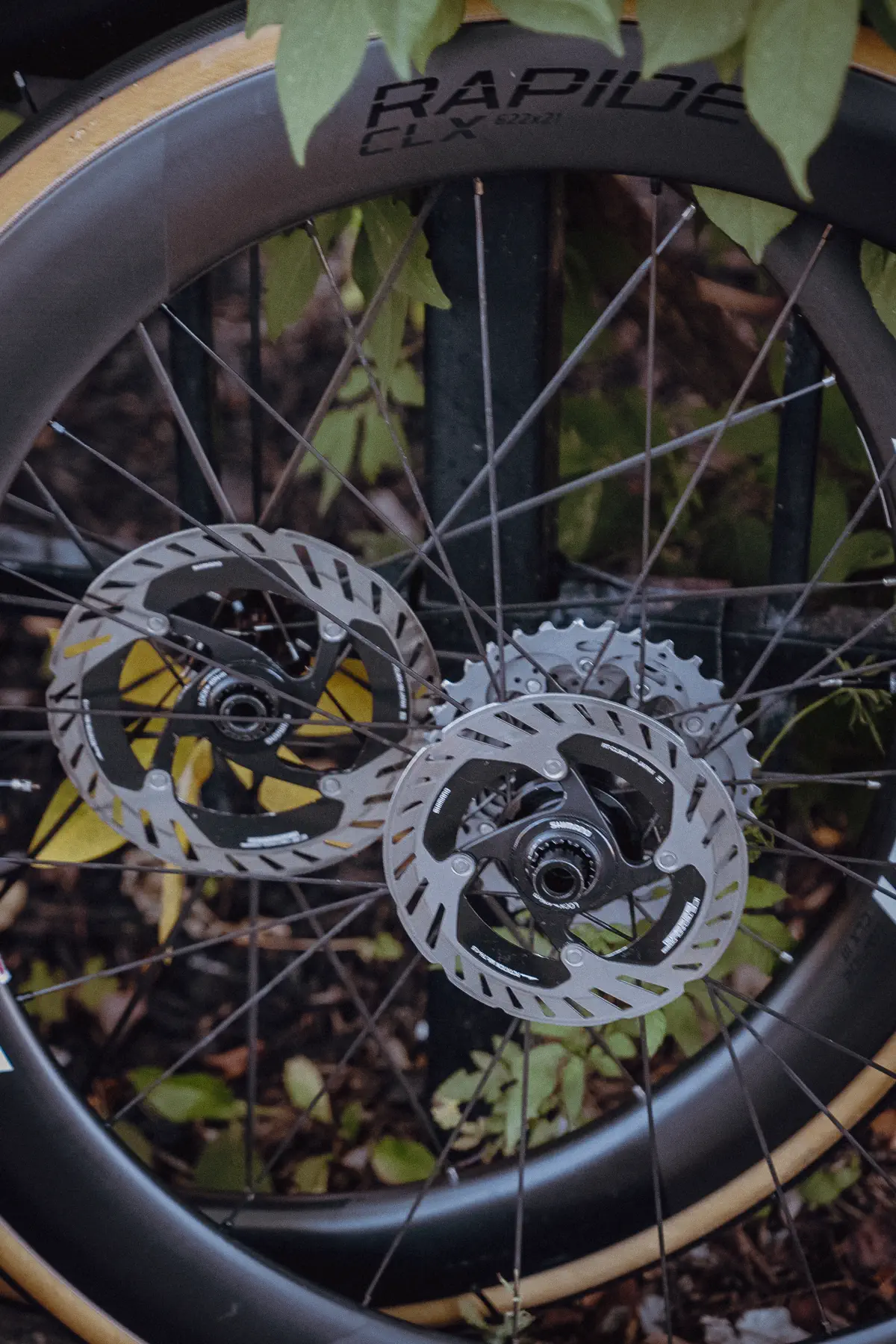
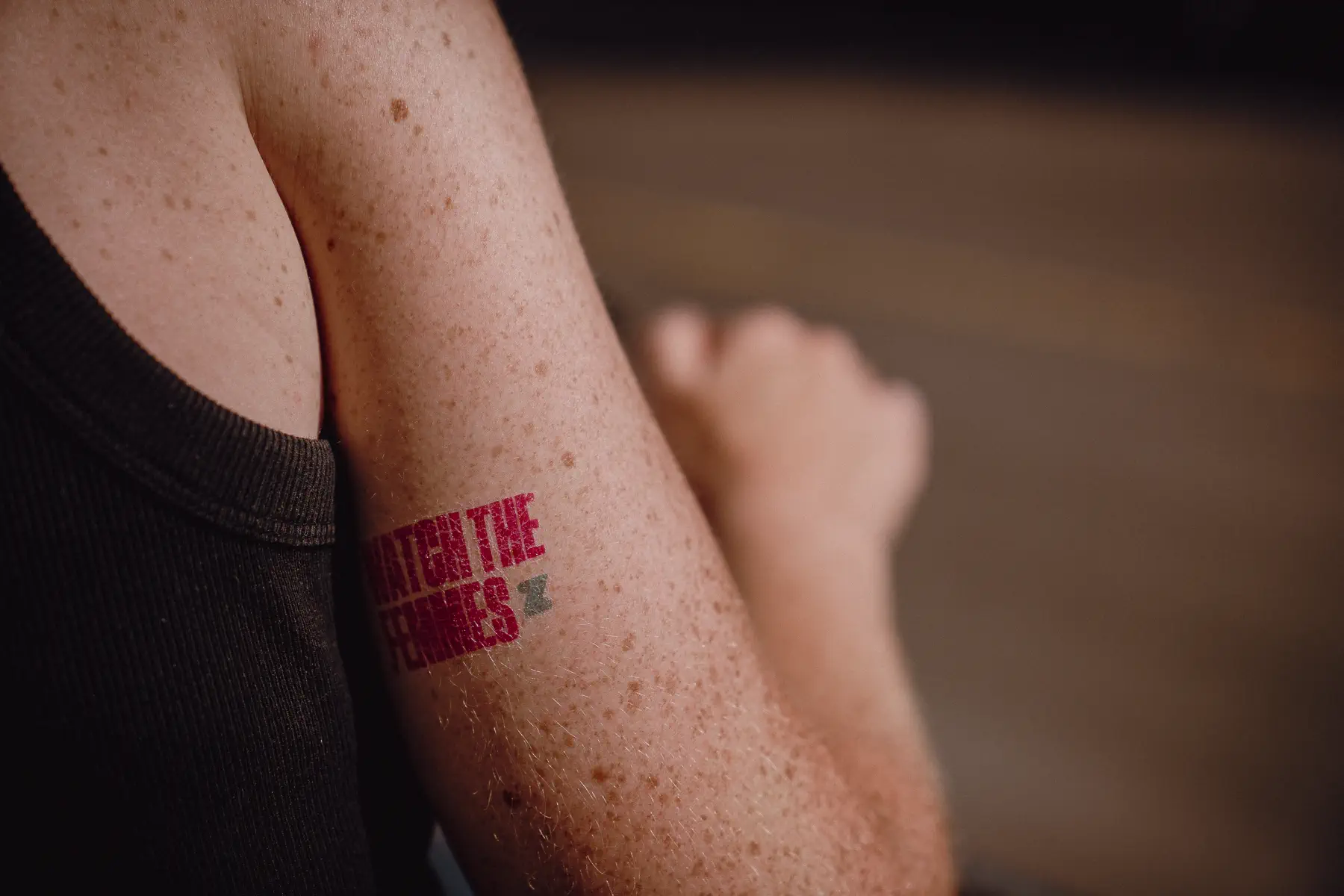
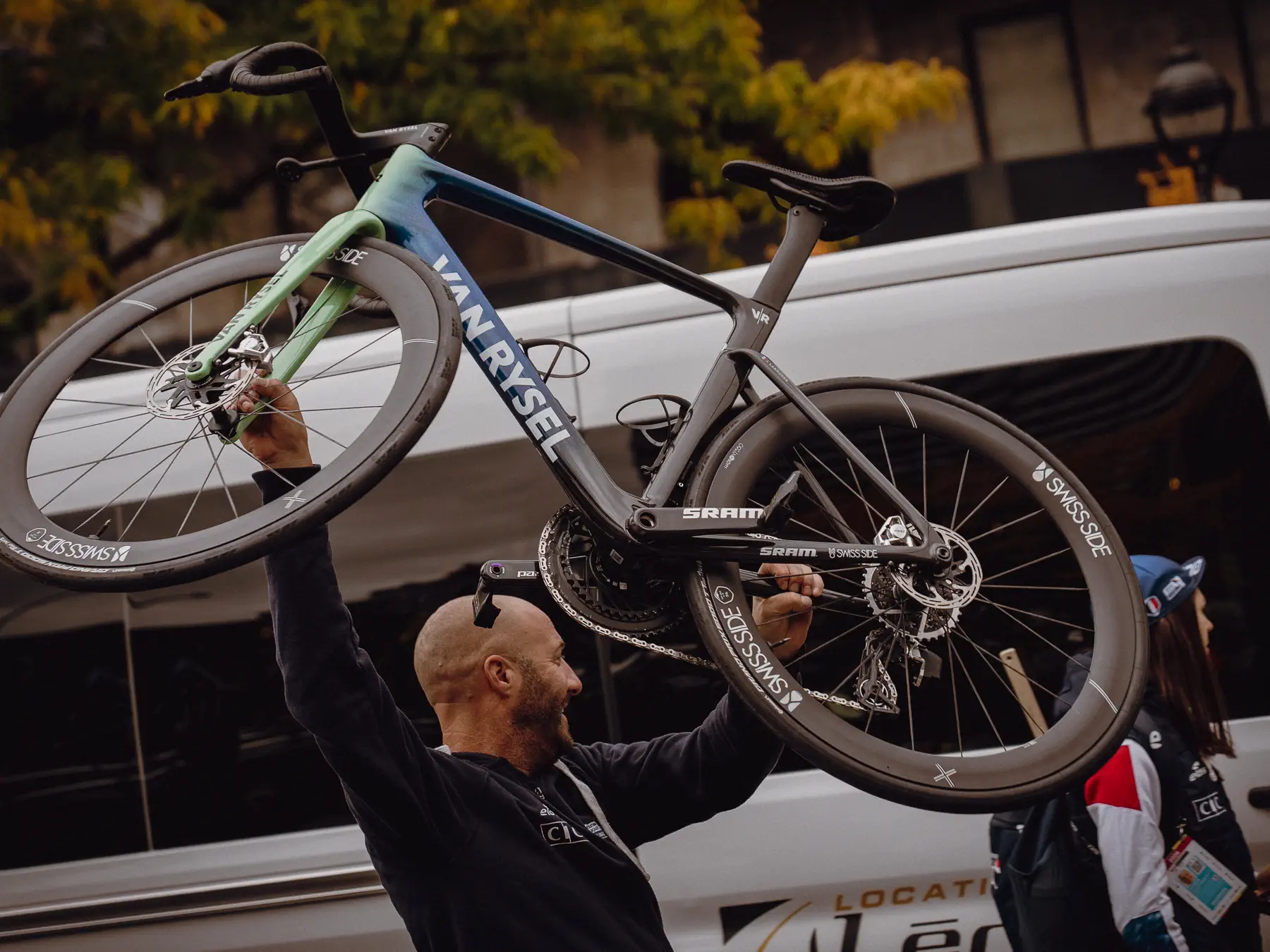
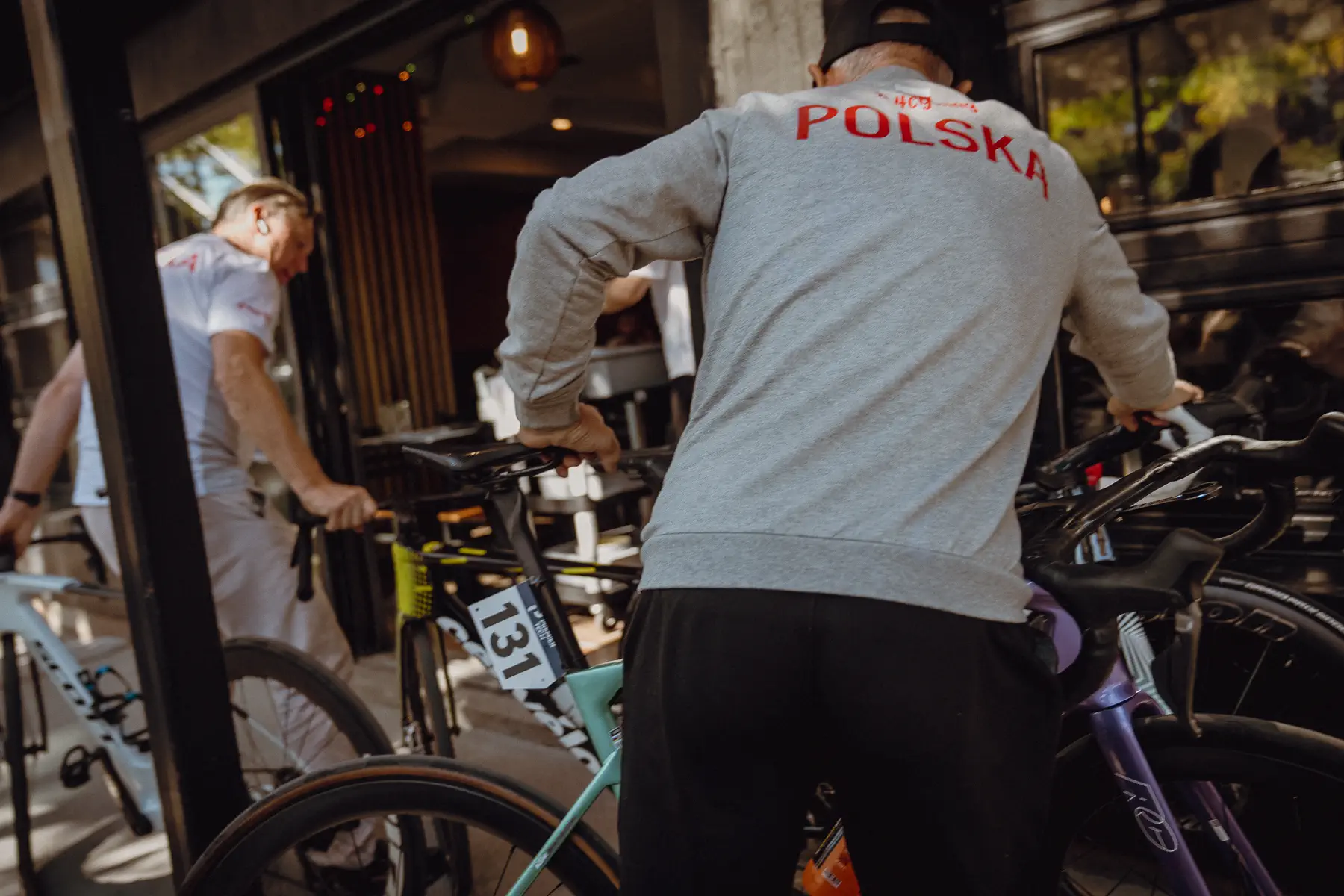
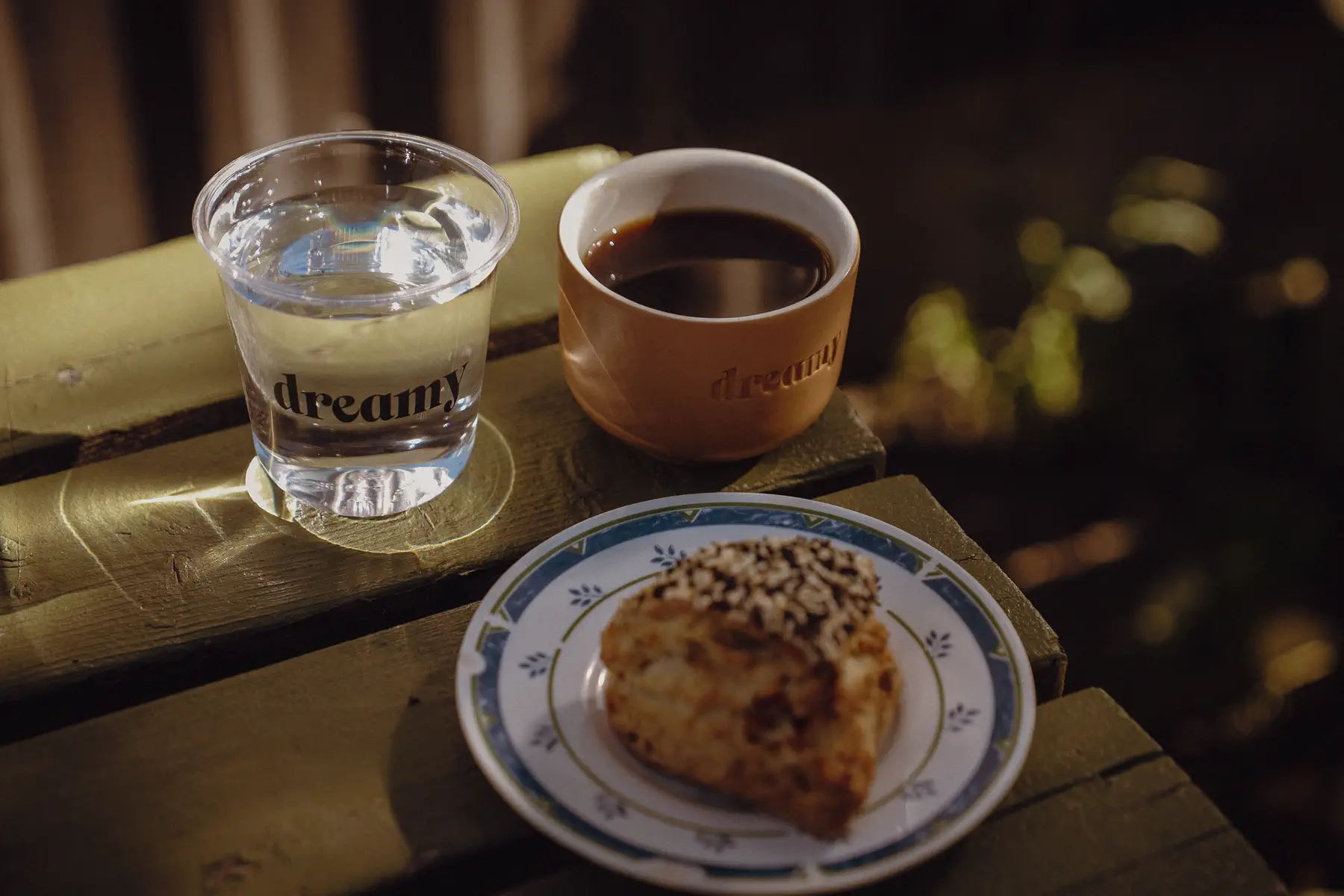
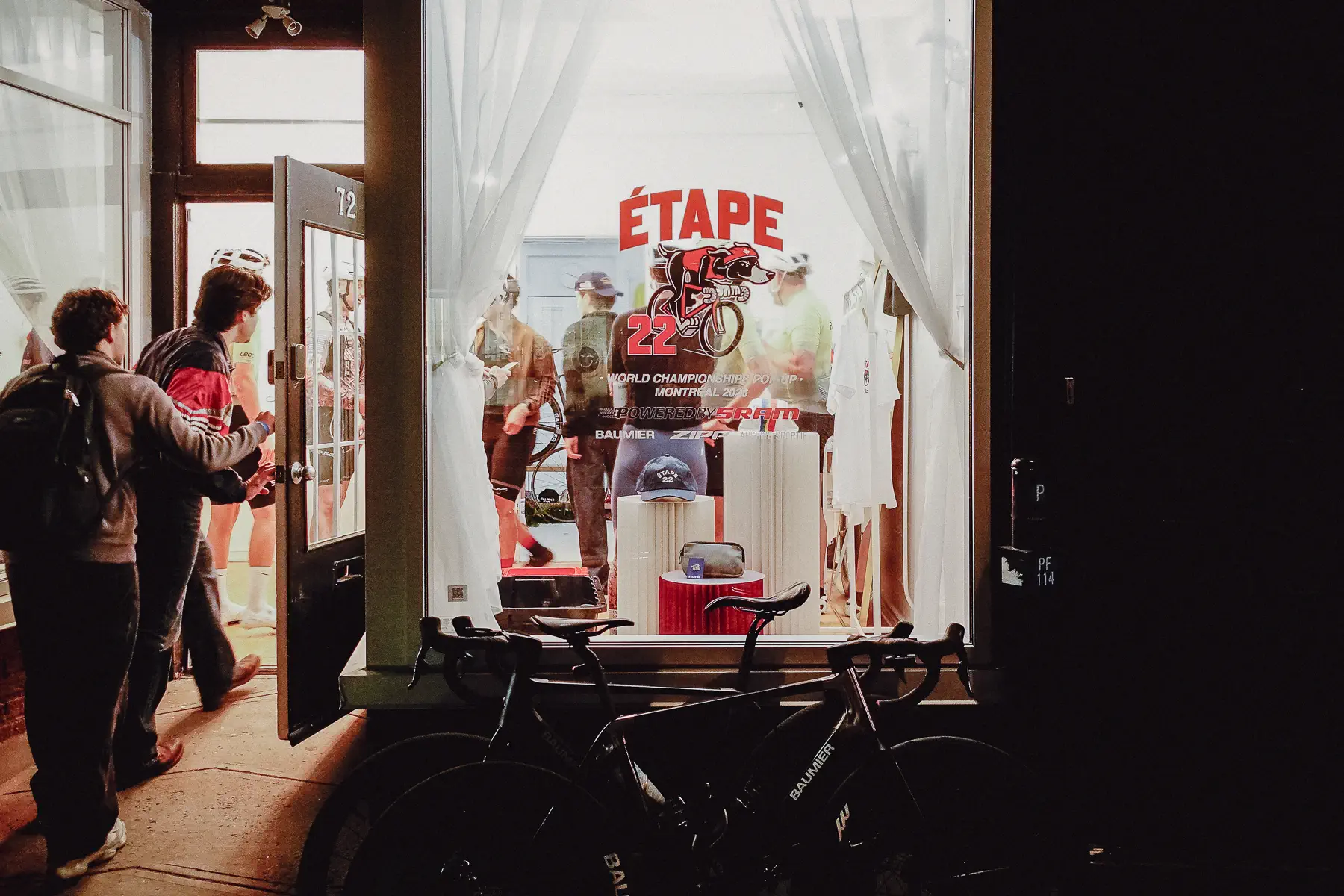
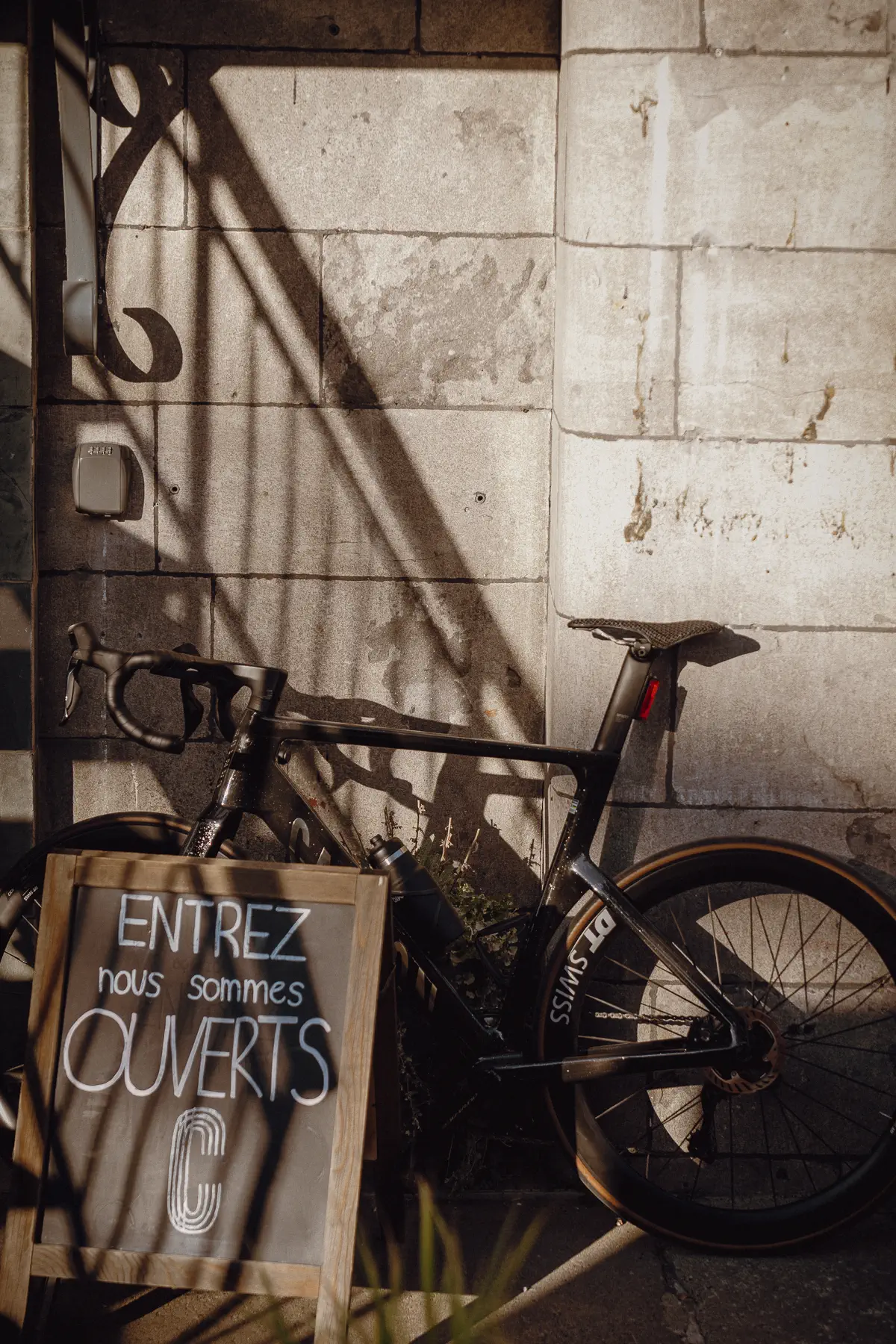
Recon. Mechanics. Families. Coffee. Team cars. Photographers finding position. Fans choosing a corner. Riders between interviews. The seconds immediately after the cameras turn away.
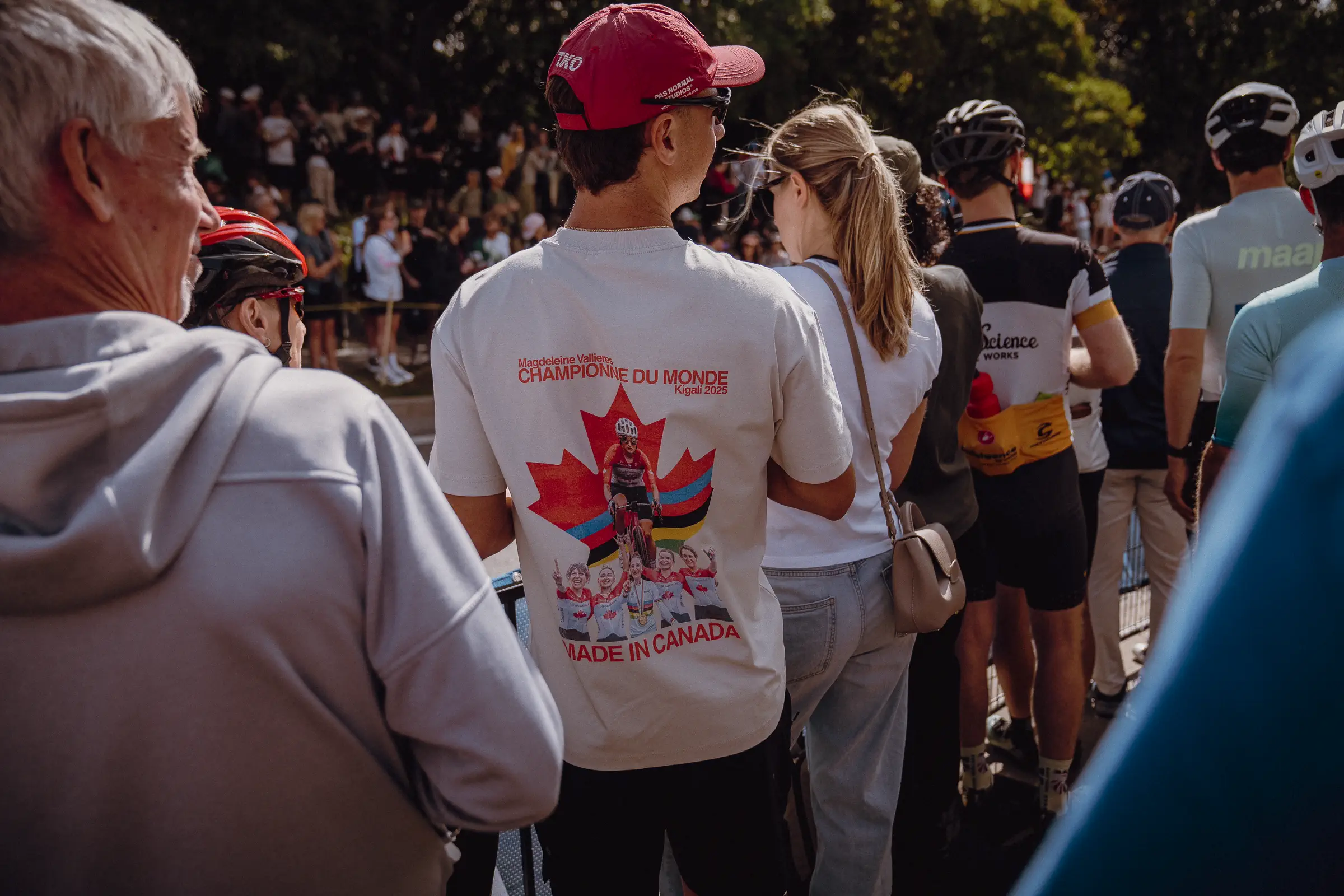
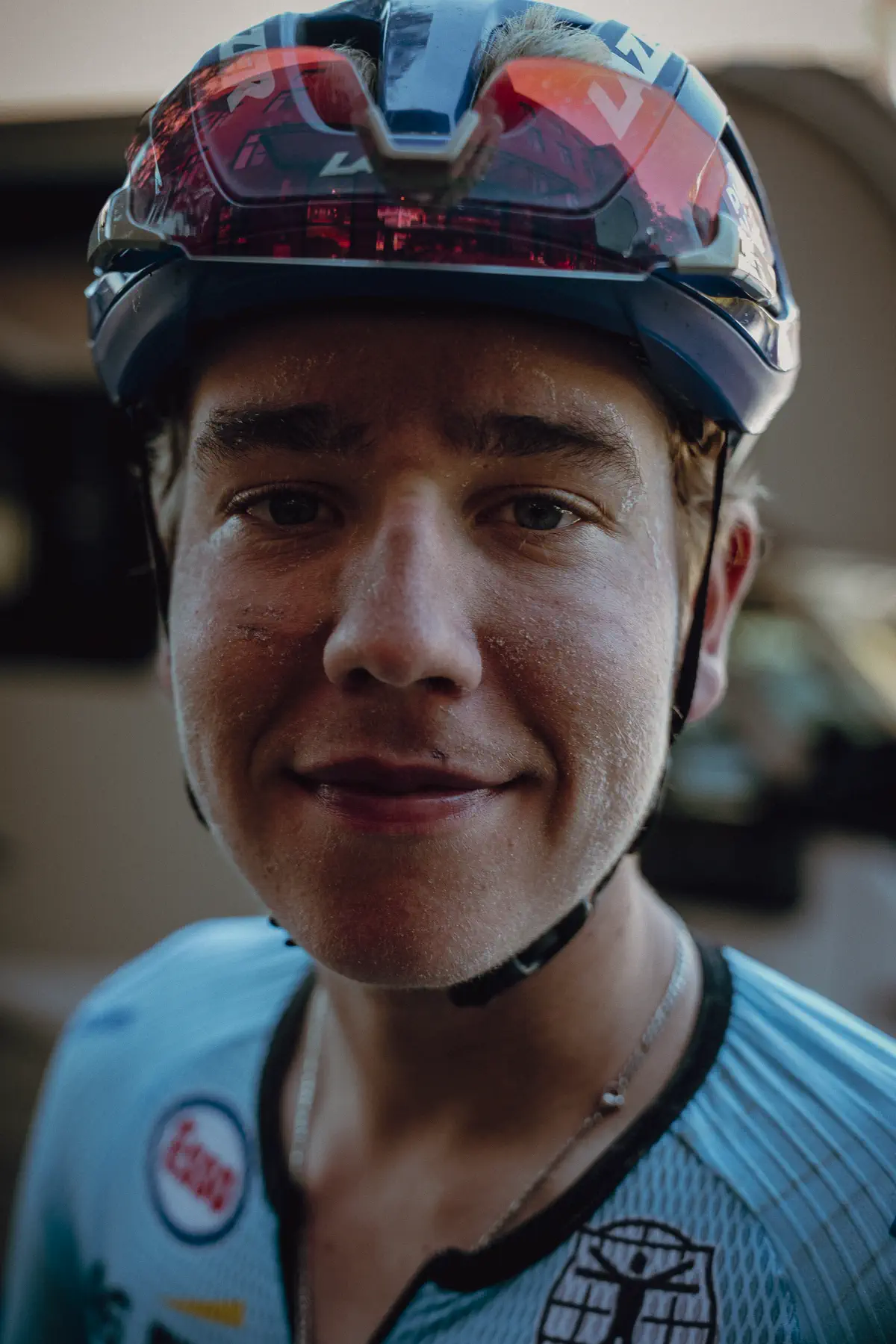
This edition carried another layer before the race even started. Magdeleine Vallières arrived on home roads as the reigning Elite Women road world champion, the first Canadian to hold that title. By Sunday evening, Brandon McNulty had ended a 33-year wait for an American Elite Men road title. The result is easy to record. The faces after the line explain what it meant.
A World Championship is bigger than the hours shown on television. This story stays with the race before, beside and after the result.
After the Finish
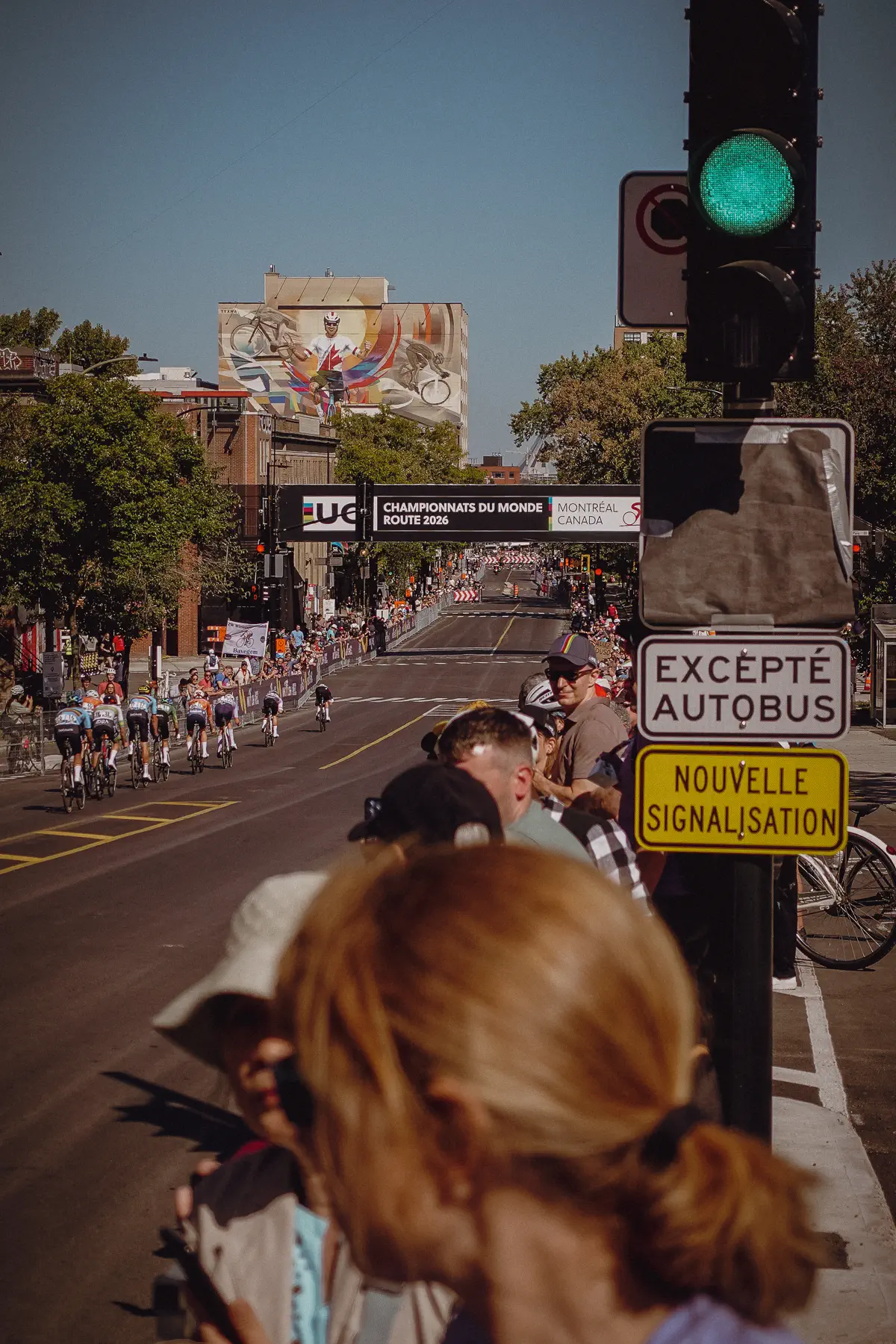
By Sunday afternoon, the final rainbow jersey has a new owner. Soon after, the barriers come down. Team cars disappear. Radios go silent. Avenue du Parc becomes a city street again.
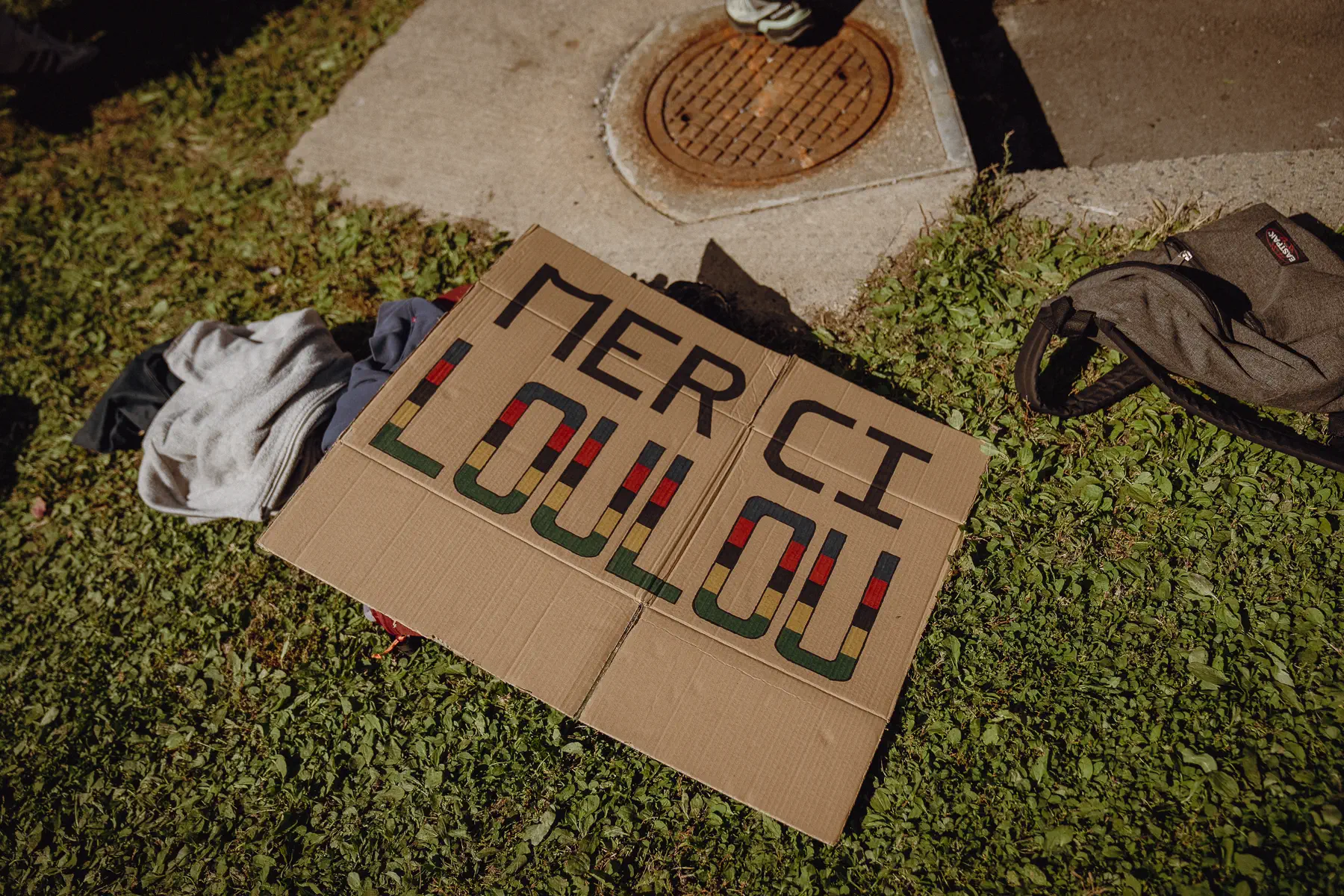
An entire sport gathered around one place. Different languages. Different flags. Different reasons for being there. All drawn to the same road up the same mountain.
The Championships end. Montréal remains.